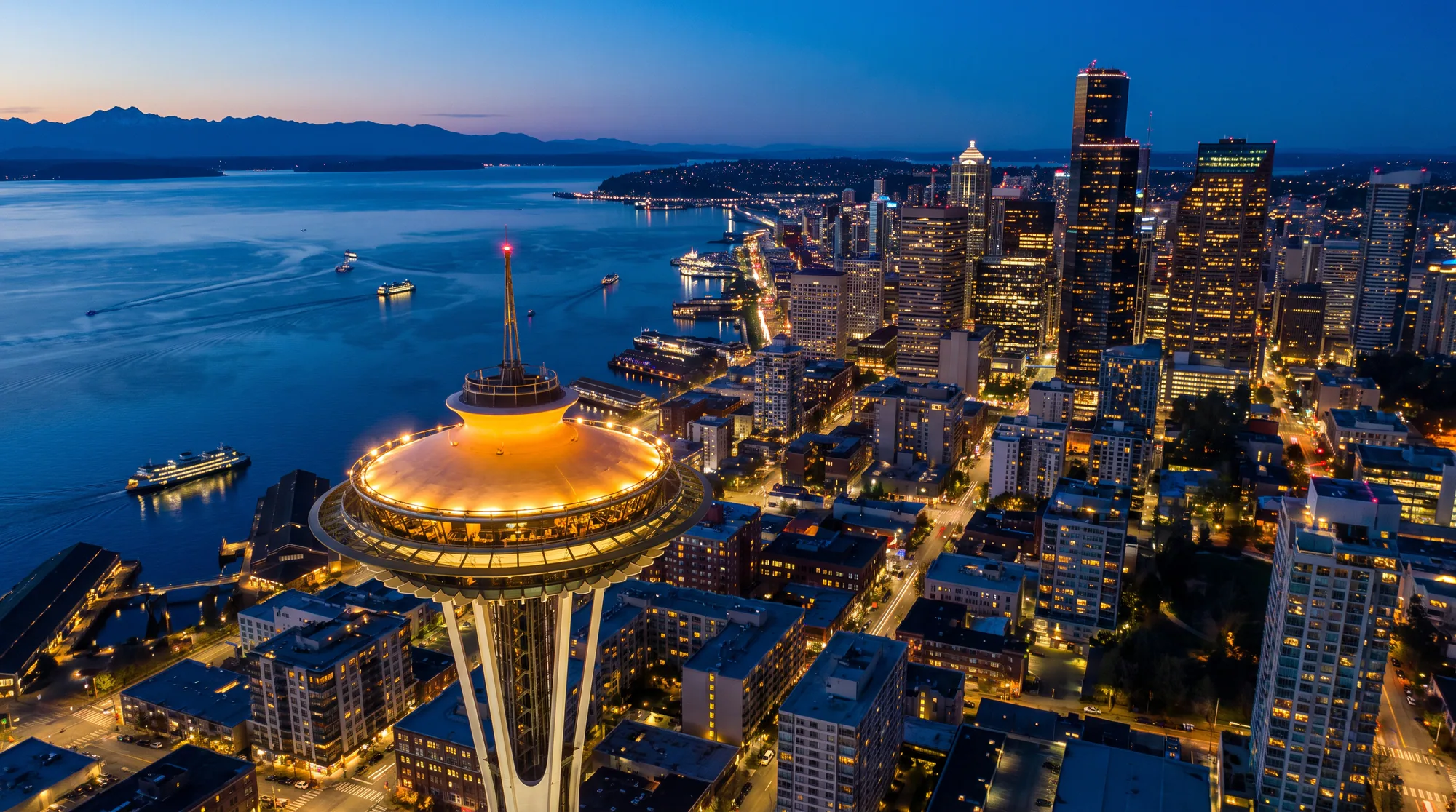
General Labor in Seattle

General Labor
in Seattle

Rate Range

$23-$33/hr

Team Size

20-80

Fill Rate

92%

Megan Hayward

Megan Hayward

Founder & CEO, TempGuru

“Capitol Hill events are artistic and indie. The crowd is younger, bohemian, creative. Your energy should feel cool, not corporate.”

format_quote

Key Takeaways

bolt

Key Advantage

All staff are Washington-compliant with current credentials verified

verified_user

Transparent Rates

Seasonal rate adjustments transparent and communicated upfront

payments

Transparent Rates

Workers' comp, payroll taxes, and Washington compliance included in rates

analytics

Transparent Rates

Competitive Seattle rates: $23-$33/hr for experienced general labor

Overview

Every Seattle event planner knows that general labor quality determines outcomes. Venues like T-Mobile Park and Seattle Museum of Flight host events where amateur staffing isn't an option. Professional general labor understand this — and that's exactly what TempGuru provides in Seattle.

Before a single crew member clocks in, Washington compliance has to be locked down. All event staff need background checks. Smart event planners build this into their timelines. Beyond the legal requirements, Seattle's event culture is tech-forward, environmentally conscious, and progressive. Staff should be informed about sustainability, comfortable discussing tech, and project authenticity. Casual-but-competent is the Seattle standard.

Event staffing in Seattle requires understanding the complete picture. When general labor focus on adaptability and flexibility — labor crews adjust to weather, delays, and unexpected changes that specialized teams cannot handle, everything else falls into place. Parking is moderate ($15-25/day). TempGuru builds these variables into every Seattle deployment plan.

Summer is beautiful and dry (75-80°F). For general labor working environmental and sustainability conferences in Seattle, this means adapting workflows and crew rotations. Fall is crisp (55-70°F). We build weather contingencies into every staffing plan.

Duties

01

Setup and teardown assistance

Assist with stage setup, chair and table placement, booth assembly, decorative element installation, and safe structural

02

Load-in and load-out logistics

Receive and direct vendor deliveries, move equipment from loading dock to event areas, manage inventory staging, coordin

03

Grounds maintenance and preparation

Rake and level outdoor spaces, remove debris, prepare dirt or grass areas, manage water drainage, ensure safe walking su

04

Signage and wayfinding installation

Install directional signs, parking signage, entrance banners, ADA accessibility markers, temporary fencing, and temporar

05

Equipment movement and positioning

Operate hand trucks and dollies, coordinate heavy lifts, position sound/lighting equipment, move vendor displays, manage

06

Vendor coordination and support

Assist vendors with setup, answer operational questions, locate additional equipment or supplies, facilitate inter-vendo

07

Seattle-specific protocol

Coordinate with Downtown Seattle area vendors and service providers

08

Local coordination

Navigate Fremont neighborhood logistics and local vendor relationships

Seattle General Labor Rates (2026)

Base Deployment: $23-$25/hour — Standard general labor deployment across Seattle. Includes all Washington compliance overhead.

Venue Specialist: $26-$33/hour — Crew with proven track records at Seattle Museum of Flight and similar Seattle venues.

Event Premiums: Indie film festivals and music venues and environmental and sustainability conferences events carry a 10-20% premium due to complexity and demand.

Package Pricing: Multi-day and recurring events receive 5-10% volume discounts. Ask about our Seattle quarterly retainer option.

All rates are fully loaded — Washington payroll taxes, workers' comp, and TempGuru's service guarantee included. No hidden fees.

How to Hire

1

Tell Us What You Need

Describe your event — tech summit (Amazon/Microsoft), indie festival (Capitol Hill), coffee industry conference, or sports game? Seattle events span tech, arts, culture, and sustainability. Tell us the vibe.

2

We Build Your Crew

We match you with Seattle-based professionals who understand tech culture, indie arts scenes, or coffee industry passion. For major tech summits, we pull experienced software and venture capital event crews.

3

Your Team Shows Up Ready

Your team arrives via Sound Transit, early and prepared. We brief on venue logistics and attendee demographics. For tech events, we manage confidentiality protocols. Our Seattle coordinator is present throughout.

TempGuru's Seattle General Labor Network

We maintain a curated pool of general labor specifically for the Seattle metro area. Tech conference circuit (Amazon, Microsoft, AWS) represents $1. That demand means we're constantly recruiting, vetting, and training to keep our talent pipeline full.

What makes our Seattle general labor different? They've worked the venues. T-Mobile Park, Climate Pledge Arena, Fremont district events — our crews don't need orientation, they need assignment details. That's the advantage of a local-first staffing model.

“Capitol Hill events are artistic and indie. The crowd is younger, bohemian, creative. Your energy should feel cool, not corporate.” — Megan Hayward, Founder & CEO, TempGuru

Seattle General Labor Market Intelligence

Seattle Event Industry: What General Labor Should Know

The Seattle event landscape continues to evolve. Tech conference circuit (Amazon, Microsoft, AWS) represents $1. General Labor working this market need to understand both the volume and the variety — indie film festivals and music venues require a different skill set than environmental and sustainability conferences, and venues like Seattle Museum of Flight have their own protocols.

Seattle's event culture is tech-forward, environmentally conscious, and progressive. Staff should be informed about sustainability, comfortable discussing tech, and project authenticity. Casual-but-competent is the Seattle standard. For general labor, this means reading the room matters as much as technical execution. Parking is moderate ($15-25/day). These aren't obstacles for experienced crews — they're competitive advantages that separate locals from fly-in talent.

General Labor in Seattle: The Full Picture

Seattle's general labor market reflects the city's technology industry influence, its coffee culture, and its deeply environmentally conscious population. When you're setting up at venues like the Washington State Convention and Trade Center, the various hotel properties, or the growing number of tech-company event spaces, you're operating in a market where sustainability consciousness, adaptability to weather, and cultural awareness are expected. The city's year-round moderate climate creates consistent event activity without the extreme seasonal variations of other regions.

The operational challenge in Seattle is primarily weather—rain is frequent and unpredictable, requiring crews that understand rapid waterproofing protocols and can execute setup in wet conditions without compromising equipment or final results. Unlike some rainy cities, Seattle doesn't get frozen precipitation frequently, so winter outdoor events are manageable if crews are prepared. Spring and summer bring increasingly comfortable conditions, but afternoon storms can develop quickly even in seemingly pleasant weather. Additionally, Seattle's cultural values around environmental responsibility mean events frequently have explicit sustainability requirements—waste reduction, recycling, composting protocols, and environmental minimization are not optional.

Imagine setting up for a tech company event or a corporate function in one of Seattle's venues. The event likely includes environmental considerations as core requirements. Your crew is managing setup while ensuring waste segregation, communicating sustainability practices to attendees, and executing in a space where the clientele genuinely cares about environmental impact. Additionally, Seattle's crew culture often emphasizes communication and collaboration—crews that approach setup with shared problem-solving and collective responsibility fit the cultural expectations.

Seattle's neighborhood variation matters. Downtown and Pioneer Square venues serve corporate and convention crowds. Capitol Hill and Fremont venues attract creative, artistic events with different cultural expectations. Eastside locations (Bellevue, Redmond) serve tech-industry clients with sophisticated standards. Waterfront venues require weather preparedness and specific environmental protocols. Understanding these distinctions shapes how crews approach each engagement.

General labor in Seattle pays $18-$23/hour with premiums for environmental protocol expertise and sophisticated event management. Year-round consistent work means established crews develop sustainable income. The premium comes from crews that understand Seattle's cultural values around sustainability and can execute environmentally responsible events while maintaining professional standards.

Seattle's outdoor-recreation culture and tech industry dominance create distinctive general labor market characteristics. The city's geographic beauty attracts events in parks, waterfront locations, and outdoor spaces; many workers have outdoor recreation backgrounds and bring physical capability and environmental awareness. Tech industry events demand professionalism and technical literacy. This combination—outdoor competence plus tech sector awareness—creates a capable workforce but one with diverse interests and sometimes fragmented availability. Building your Seattle roster requires understanding workers' primary commitments (climbing season conflicts, tech conference schedules) and working around them effectively.

Weather is notoriously gray and rainy October through April; event schedules shift accordingly with more indoor events during winter and outdoor events concentrated spring through fall. Summer is peak event season with mild, beautiful weather. Experienced Seattle coordinators plan contingency for rain even during technically dry seasons—weather unpredictability is a constant. Crews understand Pacific Northwest weather and rarely overreact, but you still need clear communication about weather protocols and contingency plans.

The city's coffee culture, activist orientation, and highly educated workforce create operational dynamics different from most markets. Workers are sophisticated and expect clear communication, transparent pay structures, and ethically sound employers. They'll ask about event purpose and may bail if they object to political or commercial content. Being upfront about event nature attracts aligned workers and prevents surprises.

General labor pay ranges $16–$18, but workers often seek employment that aligns with personal values. Emphasizing environmental stewardship, community benefit, or social justice aspects of events attracts deeply engaged crews. Corporate events sometimes struggle to attract Seattle workers unless pay is premium or event purpose is compelling. Diversity is increasing but Seattle's workforce remains less diverse than other major cities. Recruiting deliberately through communities of color, immigrant networks, and international organizations accesses capable workers and improves team composition. Bilingual crews and culturally aware coordination become increasing competitive advantages.

The outdoor recreation community is a significant labor source. Climbers, hikers, skiers, and mountaineers often work events seasonally around recreation schedules. They bring physical capability and environmental awareness but may have availability limitations during peak outdoor season (June-August). Understanding their constraints and planning accordingly improves retention. Tech industry events (conferences, product launches, network events) demand high professionalism and technical understanding. Workers with tech sector background, even junior experience, are competitive. Tech events often pay premium rates and offer career networking opportunities—highlighting these aspects attracts ambitious workers.

Seattle's outdoor recreation culture significantly influences worker preferences, schedule expectations, and retention dynamics. Many Seattle workers deliberately maintain schedule flexibility to accommodate outdoor activities—skiing, hiking, water sports, climbing—viewing employment as income supporting primary lifestyle interests rather than career focus. Staffing professionals accommodating these preferences, offering seasonal schedule flexibility, and respecting work-life balance values develop stronger retention compared to demanding maximum availability. Workers appreciating employer respect for lifestyle priorities demonstrate higher reliability when actually working; quality-focused scheduling creates better outcomes than maximizing quantity through pressure and coercion. Building reputation as lifestyle-friendly employer attracts ambitious, capable workers willing to excel within flexible parameters—competitive advantage in market where many workers prioritize quality-of-life over career intensity.

Environmental consciousness increasingly influences Seattle workforce values and company decision-making. Workers demonstrating environmental commitment, appreciation for sustainability practices, and concern regarding climate impact seek employers reflecting these values. Staffing professionals implementing sustainable operational procedures, minimizing waste, reducing carbon footprint, and demonstrating authentic environmental commitment align with worker values and develop competitive advantage in values-driven market. Many Seattle corporate clients explicitly evaluate vendors through environmental responsibility lens; companies positioned as sustainability leaders gain preference and potentially command premium compensation reflecting environmental value alignment. Building genuine environmental commitment—beyond marketing positioning—becomes increasingly important for authenticity with Seattle's sophisticated, values-conscious market segments.

Related Resources

Frequently Asked Questions

What physical requirements should general labor staff meet?

expand_more

Do your general labor teams have equipment operation certifications?

expand_more

How do you ensure safety during heavy lifting?

expand_more

Can you scale general labor teams for large Seattle events?

expand_more

Do your general labor know Seattle's transit and parking logistics?

expand_more

Get General Labor for Seattle — Fast

Same-week deployment of qualified general labor. $23-$33/hr, Washington-compliant, venue-experienced.

Previous
Previous

Line Management in Nashville

Next
Next

Concessions Staff in Chicago