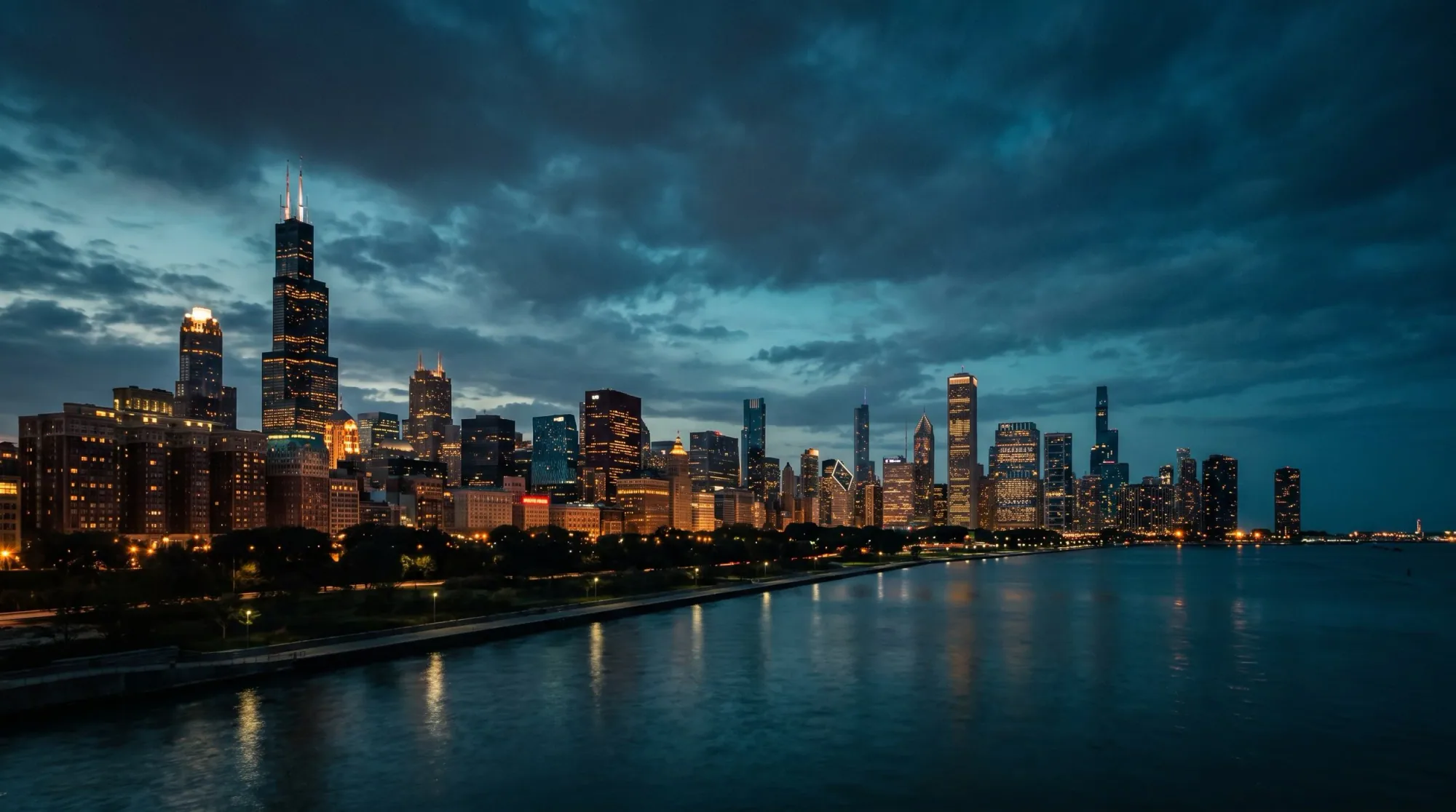
General Labor in Chicago
General Labor
in Chicago
Rate Range
$20-$29/hr
Team Size
20-80
Fill Rate
92%
Megan Hayward
Founder & CEO, TempGuru
“River North events are where deals happen and alcohol flows. Your team needs to read room dynamics fast and adjust on the fly.”
Key Takeaways
Vetted Talent
Background-checked, drug-tested, and Illinois-certified general labor
Rapid Deployment
Standby crew members on-call during your event for rapid backfill
Transparent Rates
92% fill rate means your event is fully staffed, guaranteed
Rapid Deployment
Book in hours, not days — our Chicago talent pool is deployment-ready
Overview
From Soldier Field to Gold Coast, Chicago venues demand top-tier general labor. Venues like Soldier Field and Hyatt Regency Chicago host events where amateur staffing isn't an option. This is a market where general labor quality directly impacts client retention and venue reputation.
Illinois has its own regulatory framework that affects how general labor work. No state income tax on food service workers. Non-compliance risks aren't worth the shortcut. Chicago is a 'get it done' city. Event staff are expected to be resourceful, direct, and solution-focused. Attendees value efficiency over frills. Stand-out service means anticipating problems, not just reacting to them. That's not something you can train in an hour — it takes local crews.
The best general labor teams anticipate problems before they happen. Consider the specifics: backbone infrastructure — general labor enables all other event functions by preparing venues and managing logistics. In Chicago, this translates to measurable outcomes. Parking near venues is expensive ($15-25/day). TempGuru builds these variables into every Chicago deployment plan.
Weather impacts general labor performance in Chicago more than most planners expect. Summer is peak season (80-90°F, humid). Fall is ideal (55-70°F). Our Chicago crews are accustomed to these conditions and adjust their approach accordingly — from hydration schedules to equipment protection.
Duties
Setup and teardown assistance
Assist with stage setup, chair and table placement, booth assembly, decorative element installation, and safe structural
Load-in and load-out logistics
Receive and direct vendor deliveries, move equipment from loading dock to event areas, manage inventory staging, coordin
Signage and wayfinding installation
Install directional signs, parking signage, entrance banners, ADA accessibility markers, temporary fencing, and temporar
Equipment movement and positioning
Operate hand trucks and dollies, coordinate heavy lifts, position sound/lighting equipment, move vendor displays, manage
Vendor coordination and support
Assist vendors with setup, answer operational questions, locate additional equipment or supplies, facilitate inter-vendo
Safety compliance and incident response
Report hazards immediately, follow OSHA protocols, wear required PPE, assist with first aid response coordination, docum
Chicago-specific protocol
Follow Hyatt Regency Chicago's operational guidelines and security protocols
Local coordination
Interface with Chicago event coordinators for real-time adjustments
Chicago General Labor Rates (2026)
Standard Rate: $20/hour — Base rate for general labor at Chicago events, aligned with Illinois market standards.
Experienced Rate: $22-$24/hour — For crew with venue-specific experience at places like Soldier Field and Hyatt Regency Chicago.
Peak/Holiday Premium: +$2-4/hour — Applied during Chicago's busiest event windows. Corporate fundraisers along the chicago river typically command the highest premiums.
Overtime: 1.5x base after 8 hours per shift, per Illinois labor law. Multi-day events qualify for negotiated packages.
No state income tax on food service workers. All rates include employer-side taxes, workers' comp insurance, and our service guarantee. Volume discounts available for recurring Chicago events.
How to Hire
Tell Us What You Need
Tell us about your event — McCormick Place (trade show), United Center (sports), River North (corporate), or Navy Pier (outdoor)? Each requires different crew training and experience levels.
We Build Your Crew
We match you with Chicago-born or Chicago-trained professionals who know the 'L' system, the venues, and the crowds. For trade shows, we pull logistics-heavy crews; for galas, we source hospitality specialists.
Your Team Shows Up Ready
Your team arrives via the 'L' with 20-minute cushion for delays. We do a pre-event walkthrough because McCormick Place is massive. Our Chicago coordinator is embedded throughout.
The TempGuru Advantage for Chicago General Labor
Chicago demands general labor who understand the role and the city. Chicago is a 'get it done' city. Event staff are expected to be resourceful, direct, and solution-focused. Attendees value efficiency over frills. Stand-out service means anticipating problems, not just reacting to them. We screen for that cultural fit alongside technical skills, which drives our 90%+ client retention in Chicago.
I-90/I-94 congestion is notorious — advise staff to take the 'L'. We factor these realities into every deployment — shift timing, crew positioning, contingency planning. The result: general labor who arrive ready and represent your Chicago event professionally.
Chicago General Labor Market Intelligence
The Chicago General Labor Market in 2026
4B in economic impact. McCormick Place alone hosts 50+ major trade shows per year, accounting for 1. For general labor, this translates to consistent demand and competitive pay — but also higher expectations. Event planners working Soldier Field and Gold Coast area events increasingly require demonstrated venue experience, not just availability.
The shift toward professionalized event staffing means general labor in Chicago need verifiable credentials, Illinois compliance, and references. Summer is peak season (80-90°F, humid). These operational realities shape deployment planning across the Chicago metro, from corporate fundraisers along the Chicago River to Chicago Bulls and Blackhawks games.
General Labor in Chicago: The Full Picture
Chicago's general labor scene is shaped by the city's industrial heritage and its function as a major convention and corporate event hub. When you're working setup at the McCormick Place convention center, Navy Pier, or one of the Magnificent Mile's luxury hotels, you're operating in spaces designed for maximum flexibility—which is both blessing and challenge. The city's massive event infrastructure means crews here are often managing logistics at scale, with 500+ person setups becoming routine.
The seasonal divide in Chicago is stark and unforgiving. Winter events require crews capable of rapid setup and breakdown in harsh conditions—frostbite is a real concern, equipment becomes brittle, and outdoor event logistics become exponentially more complex. Summer events take advantage of the beautiful lakefront venues and outdoor spaces, but crews must prepare for sudden weather shifts, particularly the powerful afternoon thunderstorms that can surprise even experienced event planners. Spring and fall are genuinely pleasant but compressed into narrow windows.
Imagine your crew setting up a major trade show at McCormick Place—perhaps a manufacturing or technology conference with hundreds of exhibitor booths, multiple presentation stages, and complex electrical requirements. You're coordinating with union stagehands, working within strict timeline requirements, and managing the movement of materials through the venue's loading systems. Chicago's McCormick Place has specific union protocols that every crew must respect, and deviation isn't just expensive—it can result in shutdowns that impact not just your crew but dozens of other event teams.
Chicago's geography creates interesting challenges. The lakefront venues (Navy Pier, Millennium Park areas) have specific wind considerations and water-related logistics. Westside industrial spaces have different access patterns than Michigan Avenue luxury hotels. Neighborhoods like Pilsen and Wicker Park have emerging event venues with different infrastructure than established spaces. Crews that understand these geographic distinctions can price their services accordingly and avoid costly logistics surprises.
General labor in Chicago ranges from $17-$22/hour, with union events commanding premiums. Large-scale events often offer higher per-hour rates due to sustained work and the complexity of coordinating crews across massive spaces. Experience with Chicago's venue ecology and union protocols is the differentiator between competent crews and premium service providers.
Chicago's massive events ecosystem—sprawling from Navy Pier to the Lakefront, deep into the Merchandise Mart district, and across the South Side's convention corridors—requires general labor crews comfortable with scale and logistical complexity. The city's grid layout actually helps, compared to older East Coast cities, but distances are vast. Events routinely span multiple neighborhoods, and coordinating teams across O'Hare traffic patterns demands careful route planning and realistic time expectations. Winter months bring legitimate operational challenges; Midwestern crews are hardened to cold, but wind chill on the lake makes outdoor winter events genuinely brutal and sometimes unsafe.
Chicago's worker pool is famously reliable and work-ethic driven. The Midwest reputation for showing up and doing the job right translates directly to event staffing. You'll find that retention rates are higher in Chicago than comparable metros—workers take pride in being dependable, and they view repeat opportunities as built relationships, not transactional gigs. This cultural factor makes Chicago easier to staff than some coastal cities, though availability can tighten during festival season (summer) and holiday party season (November-December).
The hospitality and union presence in Chicago creates interesting dynamics. Many event venues have union relationships, meaning some gigs require union-approved labor. Knowing which events trigger union requirements and having dual-track recruiting (union and non-union pools) is essential for operational flexibility. Pay rates reflect this complexity; non-union general labor runs $15–$17, while union-required positions jump to $22–$26.
Recruiting sources that work best in Chicago lean heavily toward referral networks and established local agencies. Craigslist and Indeed still drive some volume, but the most consistent crews come from repeat relationships with people who've proven themselves reliable. Chicago's tight-knit event industry means word-of-mouth matters enormously—do good work at one major venue, and opportunities multiply through networking.
Major event drivers include corporate training conferences at McCormick Place, outdoor festivals along the Lakefront during summer, charitable galas in the Gold Coast, and massive trade shows year-round. Each event type draws different worker profiles; trade show crews tend to be slightly older and more seasoned, while street festival workers skew younger and more casual about dress codes and timing.
The city's public transit system (the CTA) is a recruiting asset. Highlighting accessible train stops significantly improves applications, especially from workers without reliable cars. South and West Side neighborhoods may require more car-based recruiting strategies. Chicago workers generally don't demand as much hand-holding as some markets; they show up on time, work hard, and don't need constant reassurance.
Chicago's convention calendar creates predictable staffing demand peaks that resourceful professionals exploit strategically. Technology conferences, medical industry gatherings, association meetings, and corporate conventions follow seasonal patterns; developing advance knowledge of convention timing allows building appropriate labor pool sizing. Summer and fall convention seasons particularly concentrate work opportunities; spring and winter distribute opportunity more sparsely. Experienced staffing professionals develop sophisticated forecasting capabilities—understanding which conventions drive volume, when associated events occur, and what specialized worker skills each event type requires. Building this market intelligence becomes competitive advantage; companies maintaining detailed convention calendar knowledge and developing relationships with convention management gain access to premium work before general knowledge becomes widely available.
Related Resources
Frequently Asked Questions
How do you ensure safety during heavy lifting?
expand_moreCan your teams work in outdoor weather conditions?
expand_moreWhat coordination happens between general labor and other event teams?
expand_moreHow does Illinois compliance affect general labor at Chicago events?
expand_moreWhat's the typical lead time for general labor in Chicago?
expand_moreGet General Labor for Chicago — Fast
Same-week deployment of qualified general labor. $20-$29/hr, Illinois-compliant, venue-experienced.