
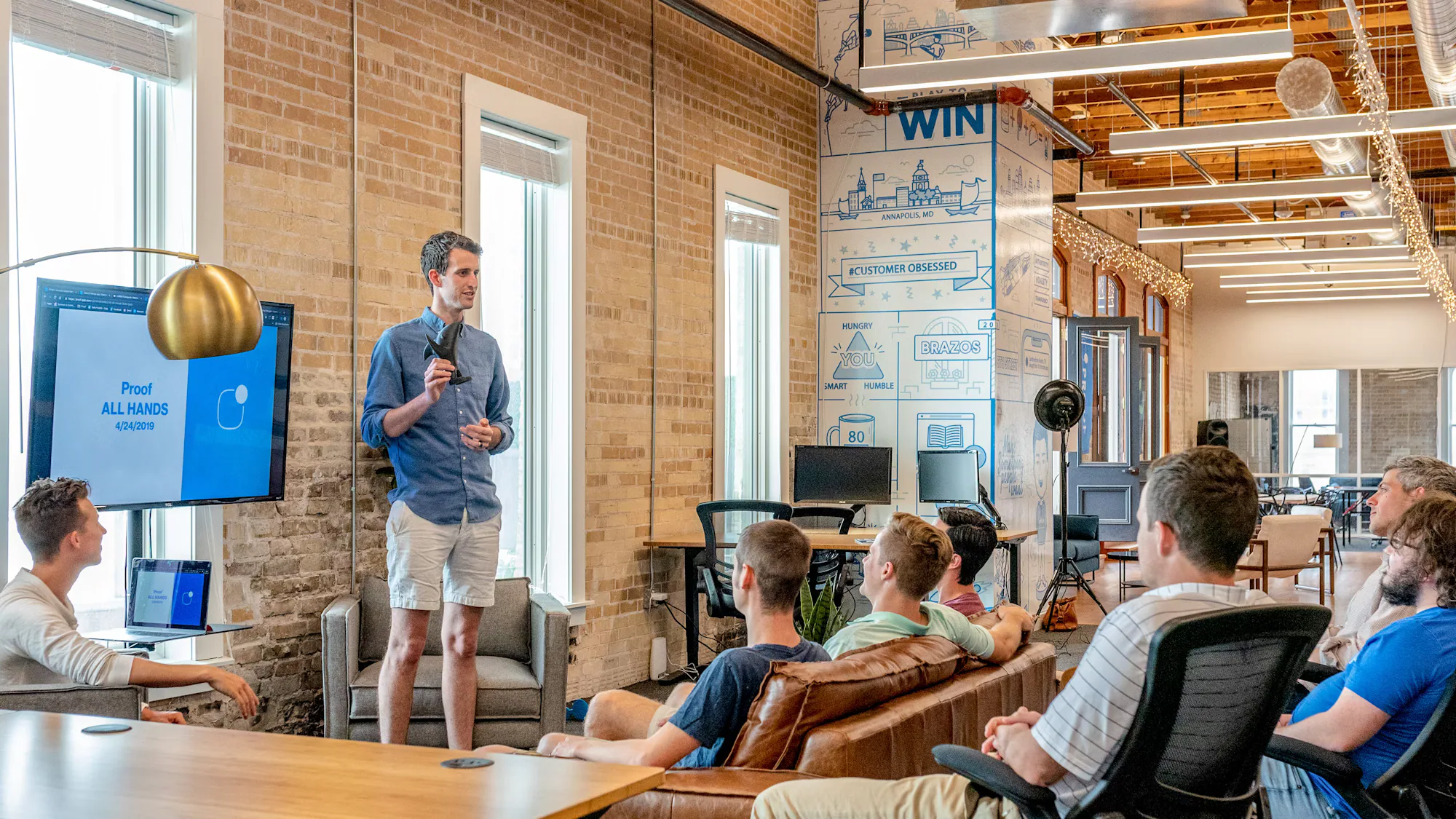
Networking Event Staffing

NETWORKING EVENT STAFFING

Networking Event Staffing


Networking events succeed when attendees feel welcomed, make meaningful connections, and leave with contact information and relationship momentum. An understaffed registration desk creates a bottleneck that kills early-arrival momentum. Ineffective host support staff leave organizers scrambling instead of engaging. A networking event without wayfinding and introduction facilitation devolves into attendees standing awkwardly in groups. TempGuru coordinates W-2 compliant networking event staffing through 200+ pre-vetted agencies across 300+ markets, providing registration teams, host support, and engagement facilitators who create the welcoming, connected experience that successful networking events require.

Pre-vetted CREW NETWORK
All roles COVERED
Compliance GUARANTEED
Written by Megan Hayward Founder, TempGuru 300+ markets • 80,000+ workers placed

Key Takeaways

  • Networking event staffing costs $23 to $38 per hour depending on role and event complexity.
  • Plan for 1 registration staff per 150 to 200 expected attendees during peak arrival, plus facilitators to encourage cross-group mingling.
  • All networking event staff must be W-2 classified — extended engagement with event organizers clearly requires employee classification.
  • Book networking event staffing 30 to 60 days before the event, allowing time for organizational briefing and facilitation training.
  • Require training on the industry, attendee profiles, conversation starter topics, and facilitation techniques for shy or introverted attendees.
  • Verify that your staffing provider has experience with professional networking events specifically — social event staffing does not prepare for industry-specific dynamics.
  • For recurring networking events, develop staff relationships to build familiarity with attendee base and networking dynamics year-over-year.

What Makes Networking Event Staffing Different

Networking event staffing requires facilitating professional relationships rather than providing hospitality. Unlike service-oriented events, networking success depends on attendee-to-attendee connections, not staff service. The staffing model prioritizes relationship facilitation and engagement encouragement.

Attendee Matchmaking and Introduction Facilitation

The best networking events facilitate connections between compatible attendees based on industry, company, role, or interests. Staff should be trained to recognize networking patterns, identify potential connection opportunities, and facilitate introductions. This matchmaking skill is unique to networking events.

Conversation Enablement and Icebreaker Techniques

Shy or new-to-industry attendees often struggle to start conversations. Networking facilitators should be skilled in conversation starters, icebreaker questions, and techniques for including quiet attendees in group discussions. This social enablement is distinct from hospitality.

Industry Knowledge and Credibility

Networking event staff should have basic industry knowledge or familiarity with attendee types. A technology networking event staff member who does not understand the difference between SaaS and AI cannot facilitate meaningful conversations or help shy attendees feel confident.

Common Staffing Roles for Networking Event Events

Networking event staffing spans registration, host support, and active facilitation roles focused on enabling connections.

Registration & Check-In

$23 – $30/hr

Attendee check-in, badge printing or distribution, name pronunciation assistance, and initial welcome. Creates the first impression for attendees.

Host Support & Event Coordinators

$28 – $38/hr

Organizer support, timeline management, speaker introduction, and real-time problem-solving. Must work seamlessly with event leadership.

Networking Facilitators

$26 – $36/hr

Attendee introduction facilitation, conversation enablement, group mixing encouragement, and icebreaker support. Requires social skills and industry fluency.

Bar & Refreshment Service

$23 – $30/hr

Beverage and appetizer service, refill management, and cleanup. Must move through crowds unobtrusively.

Technology & Presentation Support

$25 – $35/hr

Audio-visual setup, speaker support, presentation loading, and real-time technical troubleshooting. Networking events often feature speaker segments.

Information & Materials Distribution

$22 – $28/hr

Resource distribution, attendee information provision, and sponsor recognition. Must be knowledgeable about event resources and speaker bios.

Networking Event Staffing Challenges & Risks

Shy Attendee Inclusion and Confidence Building

Not all networking attendees are naturally outgoing. Facilitators should proactively include quiet or new attendees in conversations, validate their participation, and help them feel confident networking. Poor facilitation leaves shy attendees isolated.

Group Dynamics and Clique Prevention

Attendees often cluster into familiar groups (same company, same industry segment) and do not venture out to meet new people. Facilitators should gently encourage attendees to break cliques and meet diverse professionals. This requires social subtlety.

Meaningful Conversation Quality

Forced networking often produces superficial conversations about company names and job titles. The best networking facilitators help elevate conversations to topics of professional interest, career development, or business challenges. This conversation quality distinction matters.

Time Management and Event Flow

Networking events operate on tight timelines — 30-minute mixers, 2-hour receptions, 90-minute events. Facilitators must help attendees have meaningful conversations without getting stuck in single conversations that prevent broader networking.

Diverse Attendee Integration

Networking events often include attendees at different career stages, from different companies and geographies, and with different networking comfort levels. Creating an inclusive atmosphere where all attendee types feel welcome requires intentional facilitation.

W-2 Compliance & Insurance for Networking Event Events

Networking event staffing involves professional relationship facilitation and industry-specific engagement.

W-2 Employment and Event Coordination

Networking event staff working under event organizer direction, following specific procedures, and engaged for defined hours clearly qualify as W-2 employees. Verify your staffing provider uses W-2 classification.

Industry Knowledge and Credibility

Staff should have basic industry familiarity or networking experience. Verify candidates understand the industry and attendee profiles. This credibility helps staff facilitate more meaningful connections.

General Liability and Insurance

Networking events typically require $1M general liability coverage. Verify that your staffing provider carries appropriate coverage and that the venue has event insurance.

Data Privacy for Attendee Information

Networking events may collect attendee information through registration systems. Ensure data collection and sharing comply with privacy regulations and attendee expectations.

Multi-City Networking Event Staffing

Many organizations produce networking events in multiple cities or operate recurring series.

Industry Organization Multi-City Networking Series

Professional associations often produce networking events in 5 to 10 cities annually. Each city event should deliver consistent attendee experience and relationship-building quality. TempGuru sources facilitators across markets.

Company-Hosted Recurring Networking Events

Some companies produce quarterly or monthly networking events for customers, partners, or employees. Consistent staffing across recurring events builds facilitator familiarity with regular attendees.

Attendee Base Continuity and Relationship Building

Recurring networking event series benefit from staff familiarity with attendee base. Facilitators who recognize returning attendees and remember previous conversations build stronger community.

Networking Event Staffing Timeline

Networking event staffing timelines vary based on event size and complexity, typically 30 to 60 days in advance.

60 Days Out — Event Plan and Staffing Requirements

Define expected attendee count, professional profile, industry, and networking objectives. Determine staffing needs and facilitation approach. Request staffing provider.

45 Days Out — Staff Sourcing and Industry Briefing

Receive staff candidates with networking event experience. Conduct industry briefing on attendee types, companies, and relevant conversation topics. Confirm host and organizational requirements.

30 Days Out — Training and Facilitation Preparation

Conduct training on event timeline, attendee profiles, facilitation techniques, conversation starters, and organization procedures. Role-play networking scenarios and introduction techniques.

7 Days Out — Final Logistics and Staffing Confirmation

Confirm final attendee count and registration technology. Distribute attendee materials and speaker bios. Confirm registration procedure and host support requirements.

Event Day — Execution and Facilitation

Staff arrive 90 minutes before attendee arrival. Setup and technology testing. Pre-event briefing with organizers. Welcome and registration launch. Active facilitation throughout networking period.

Frequently Asked Questions

How much does networking event staffing cost?

Networking event staffing ranges from $23 to $38 per hour depending on role and experience. Registration and service staff cost $23 to $30. Facilitators and support roles run $26 to $38. For a 150-person networking event with 6 staff for 3 hours, budget $450 to $700 in staffing costs.

What training do networking facilitators need?

Facilitators need training on the industry and attendee profiles, conversation starter topics, icebreaker techniques, group mixing strategies, and time management. Training should include role-play scenarios for common networking challenges (shy attendees, clique prevention, meaningful conversation starters).

How do you facilitate introductions between attendees?

Facilitators should learn attendee names during check-in and be trained to identify networking opportunities. When a software developer and a designer are both looking for collaborators, a facilitator might introduce them. This requires social observation skills and intentional matchmaking.

Can networking event staff facilitate group discussions?

Yes, if trained in group facilitation. Staff can help form small groups around common interests, manage time so everyone gets to contribute, and rotate attendees between groups to encourage broader networking. This active facilitation distinguishes good networking events.

How do you support shy or introverted attendees?

Staff should proactively engage quiet attendees, validate their participation, help them start conversations, and celebrate their contributions. Subtle encouragement (asking their perspective, connecting them with compatible attendees) helps shy attendees feel confident and included.

Networking Events That Generate Meaningful Connections

Facilitators trained in relationship building and engagement. W-2 compliant, industry-savvy, connection-focused.

Get a Networking Event Staffing Quote
Previous
Previous

Outdoor Event Staffing

Next
Next

Music Festival Staffing