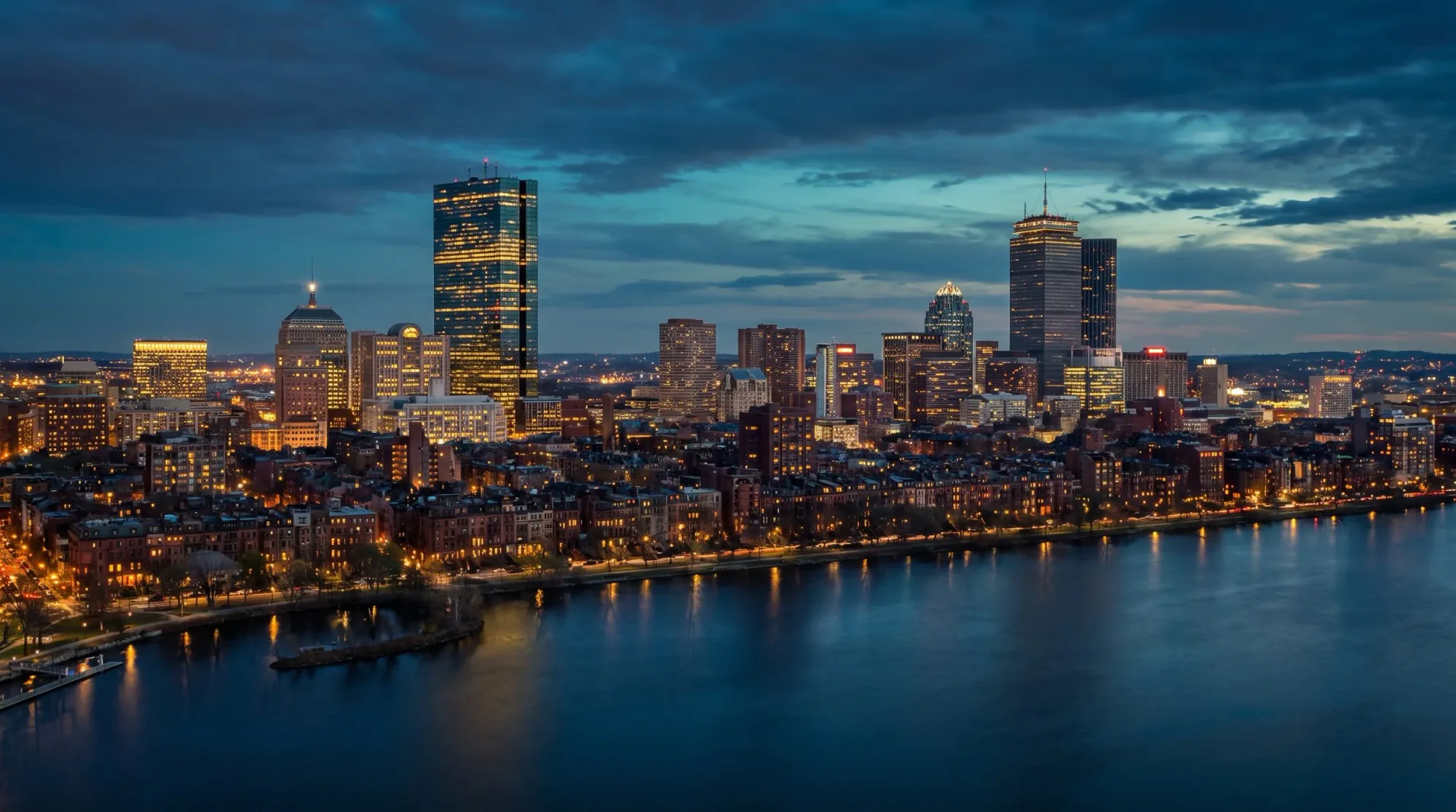
Concessions Staff in Boston
Concessions Staff
in Boston
Rate Range
$26-$37/hr
Team Size
10-40
Fill Rate
99%
Megan Hayward
Founder & CEO, TempGuru
“Back Bay galas are formal. Your staff's appearance matters as much as their competence. One wrinkled shirt reflects on the entire event.”
Key Takeaways
Transparent Rates
99% fill rate means your event is fully staffed, guaranteed
Key Advantage
Crews trained on financial services symposiums-specific requirements and protocols
Transparent Rates
Competitive Boston rates: $26-$37/hr for experienced concessions staff
Rapid Deployment
Standby crew members on-call during your event for rapid backfill
Overview
Staffing concessions staff for Boston events demands local expertise. 4M visitors and generating $5. That scale creates constant demand for concessions staff who perform under pressure. Boston's position as a premier event destination means mediocre staffing stands out immediately.
From a regulatory standpoint, Boston events require Massachusetts-specific compliance. All event staff need background checks. We verify compliance before every deployment in Boston. Beyond the legal requirements, Boston crowds are direct and critical. Event staff need thick skin and quick wit. Hospitality is valued, but so is honesty and no-nonsense efficiency. Pretense doesn't play here.
Event staffing in Boston requires understanding the complete picture. At venues like TD Garden, revenue generation focus — concessions drive 30-40% of event ancillary revenue and margins are substantial is the difference between success and scrambling. Then there's getting there: Most venues cluster near major T stops — Central, Downtown Crossing, Charles/MGH. These aren't details you can figure out on event day.
Ask any experienced concessions staff about working Boston events and weather comes up immediately. Outdoor events halt December-February. We factor these conditions into crew sizing, shift length, and equipment planning.
Duties
Food and beverage preparation
Prep stations, portion control, maintain quality standards under high-volume conditions, handle specialty items and cust
POS system operation
Handle transactions on Square, Toast, TouchBistro, Clover, and proprietary venue systems with accuracy and speed. At Bos
Cash and payment processing
Manage cash drawers, process card payments, handle mobile ordering integrations, reconcile transactions, prevent shrinka
Inventory management
Track stock levels in real-time, coordinate replenishment runs between stations, minimize waste during events, forecast
Customer service and order fulfillment
Take orders accurately, manage customizations, explain menu items, handle complaints professionally, maintain service sp
Line management and crowd control
Keep queues moving, direct overflow traffic, coordinate express lanes, manage customer expectations during peak periods.
Boston-specific protocol
Interface with Boston event coordinators for real-time adjustments
Local coordination
Coordinate with Cambridge/Harvard Square area vendors and service providers
Boston Concessions Staff Rates (2026)
Hourly Range: $26-$37/hr — Depends on experience level and event complexity at Boston venues like Boston Convention & Exhibition Center.
Certified Premium: +$2-3/hour for staff with specialized Massachusetts certifications and TD Garden venue experience.
Weekend/Holiday: +$2-3/hour. Boston's event calendar peaks around biotech and pharma industry conferences, when rates adjust accordingly.
Extended Shifts: Overtime per Massachusetts requirements. We structure shift rotations to optimize cost for Boston's longer events.
Outdoor events halt December-February. This directly affects staffing costs for outdoor events. Our Boston rate cards account for seasonal demand shifts.
How to Hire
Tell Us What You Need
Submit your event details — Back Bay ballroom, TD Garden, or BCEC? Each has different logistical demands. Also tell us if TIPS certification or background checks are needed.
We Build Your Crew
We match you with experienced Boston crews who understand the T schedule, venue layouts, and the local clientele. For pharma events, we pull specialized professionals.
Your Team Shows Up Ready
Your team arrives on the T, early enough to grab coffee and center themselves. We do a detailed briefing because Boston crowds notice everything. Our coordinator is present from start to finish.
What Sets TempGuru's Concessions Staff Apart in Boston
The Boston event market doesn't forgive mediocre staffing. 8B in economic impact. With that level of activity around Cambridge/Harvard Square and Boston Harbor Hotel, your concessions staff need to perform from minute one.
Speed, reliability, local knowledge. We fill concessions staff orders in hours because we maintain active relationships across Seaport District and every event corridor in Boston. Our 99% fill rate is operational reality, not marketing.
Boston Concessions Staff Market Intelligence
The Boston Concessions Staff Market in 2026
4M visitors and generating $5. 8B in economic impact. For concessions staff, this translates to consistent demand and competitive pay — but also higher expectations. Event planners working TD Garden and Seaport District area events increasingly require demonstrated venue experience, not just availability.
The shift toward professionalized event staffing means concessions staff in Boston need verifiable credentials, Massachusetts compliance, and references. Outdoor events halt December-February. These operational realities shape deployment planning across the Boston metro, from Celtics and Bruins games to biotech and pharma industry conferences.
Concessions Staff in Boston: The Full Picture
Boston concessions operations exist within a distinctive regional context shaped by the city's strong food identity, tradition-oriented customer base, and the specific logistical challenges of managing inventory across historically significant venues with unique infrastructure. We're managing concessions at TD Garden alongside numerous smaller venues, serving a customer base that has strong regional preferences for New England staples—Boston cream donuts, local craft beverages, specific regional snacks—and that resists menu offerings perceived as generic or corporate. Our most successful concessions teams are those who respect Boston's food culture and curate inventory selections that honor regional preferences rather than attempting to impose standardized stadium food across all locations.
Boston's seasonal climate creates operational demands rooted in the dramatic winter conditions that characterize the city for a significant portion of the event calendar. From November through March, we're managing the challenge of maintaining cold beverage sales when outdoor temperatures are well below freezing, adjusting hot beverage offerings as seasonal demand shifts, and coordinating with venue heating and climate control systems to ensure concessions areas maintain appropriate temperatures for both product storage and customer comfort. Additionally, winter weather occasionally affects supply chain operations, requiring contingency inventory positioning and adjusted delivery schedules when precipitation makes logistics more challenging. We've learned that Boston concessions success requires seasonal thinking—adjusting product mix, beverage emphasis, and menu offerings based on the specific season and anticipated crowd composition.
One particularly memorable February evening managing concessions at TD Garden during a Bruins game illustrates the seasonal challenge vividly. We had stocked for standard winter beverage demand, anticipating hot chocolate and coffee would dominate purchasing. However, an unexpected warm spell brought temperatures into the 50s, and customer demand shifted dramatically toward cold beverages and light snacks. Our inventory composition was poorly matched to actual customer preferences, resulting in hot beverage surplus and insufficient cold product availability. This experience taught us that Boston winter operations require flexibility to adjust product positioning based on specific weather conditions and temperature fluctuations, not just seasonal averages.
Boston's neighborhoods each bring their own food preferences and cultural identity. Downtown operations attract tourists and professionals with different purchasing patterns than games in outlying areas. We've developed neighborhood-specific inventory composition strategies that account for how local preferences influence purchasing patterns. Additionally, Boston's strong Irish and Italian heritage influences customer expectations for certain food categories—authentic regional items move better than generic alternatives, and customers will seek these offerings specifically.
Succeeding in Boston concessions requires respecting the city's strong food culture, developing seasonal flexibility for dramatic climate variation, and appreciating neighborhood-specific preferences. Boston concessions teams that excel understand that regional identity is not incidental to operations but central to customer satisfaction and operational success.
Boston's sophisticated event market and strong regional beverage culture create unique opportunities for concessions staff willing to develop expertise in the city's distinct preferences and venue dynamics. Events range from formal corporate functions at historic hotels along the Charles River to intimate tastings in Beacon Hill venues to casual parties in Cambridge academic spaces to casual gatherings in Seaport District spaces. Boston's strong craft beer and spirits culture means attendees often have educated opinions about beverage options, and concessions staff who can engage knowledgeably about local breweries, craft distilleries, and quality spirits enhance guest experience. The city's foodie reputation means quality and authenticity matter—concessions operations serving generic offerings at sophisticated events quickly gain negative reputations. Boston's weather ranges from pleasant summers to harsh winters, and seasonal patterns affect how events are structured and what beverage trends dominate.
Understanding Boston's regional preferences is absolutely critical for concessions operations. The city has deep connections to specific breweries and distilleries—New England craft breweries, Boston Harbor Hotel's signature drinks, and local favorites command loyalty from Boston natives. Concessions staff that can knowledgeably discuss local offerings and understand the geography of Boston's beverage scene build credibility with educated guests. The city's academic presence means many attendees hold strong opinions about quality and authenticity. When recruiting, look for concessions staff with genuine interest in the Boston beverage scene, experience at similar venues, and track records of engaging intelligently with knowledgeable guests. Someone from Boston or with genuine familiarity with the city's culture fits better than someone entirely unfamiliar with local context.
The physical environment of Boston venues creates specific operational challenges. Historic buildings mean narrow spaces, limited counter area, and often inadequate power infrastructure for beverage operations. Many Boston venues operate under union guidelines or have preferred vendor agreements that impact how concessions staffing is structured and compensated. Understanding these constraints before recruiting prevents conflicts and ensures smooth operations. The city's older venue infrastructure means concessions staff need adaptability and creative problem-solving when working within physical constraints. When hiring, look for people who embrace these challenges and develop efficient workflows despite operational limitations.
Boston's climate affects event patterns and beverage strategy throughout the year. Winter events dominate the holiday season and through early spring, while summer outdoor events concentrate in specific windows of pleasant weather. Spring and fall shoulder seasons create variable demand. Winter indoor events mean heated venues and demand for warm beverages alongside cocktails. Summer outdoor events demand cold beverage management and rapid service during pleasant evening hours. Concessions staff that understand these seasonal patterns and adjust their approach accordingly provide better service and more positive guest experience. When recruiting for seasonal positions, be transparent about the patterns and seek people comfortable with variable scheduling.
Building strong concessions operations in Boston requires hiring professionals who understand the city's sophisticated culture, regional preferences, and venue-specific constraints. Look for candidates with Boston experience, demonstrated knowledge of local beverages and craft culture, and track records at similar venues. Invest in training on Boston-specific beverage offerings, venue logistics, and service protocols that match Boston's expectations for quality. Build systems that maximize efficiency despite space constraints. Develop deep relationships with venue managers who value consistent, knowledgeable concessions service. Concessions staff that become known for expertise, professionalism, and excellent guest interaction build strong reputations and find consistent work throughout Boston's vibrant event community.
Related Resources
Frequently Asked Questions
How do your teams handle food allergen compliance?
expand_moreWhat upsell performance should I expect?
expand_moreCan your staff handle alcohol service?
expand_moreHow do you handle last-minute concessions staff changes in Boston?
expand_moreHow does Boston's weather affect concessions staff scheduling?
expand_moreReady to Staff Concessions Staff in Boston?
Post your staffing order today. We'll match you with experienced Boston-based concessions staff within hours.