
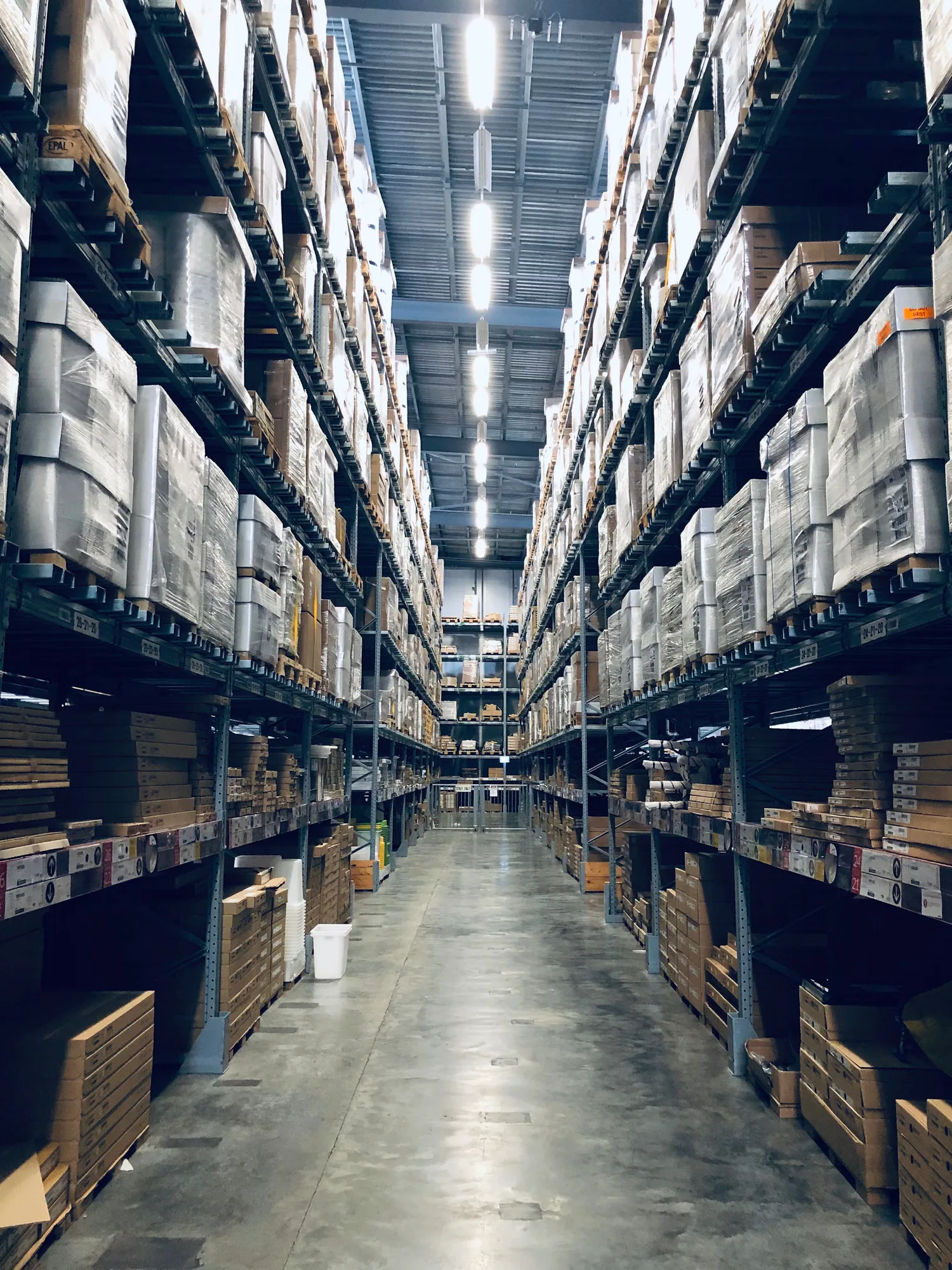
Warehouse Event Staffing

WAREHOUSE EVENT STAFFING

Warehouse Event & Industrial Venue Staffing Solutions


Warehouse and industrial venue events operate in environments fundamentally different from traditional event spaces: raw architectural character, limited infrastructure, acoustic challenges, and the culture of underground and alternative entertainment. Our warehouse specialists bring expertise in adapting events to unconventional spaces, understanding the aesthetic and community values of warehouse events, and executing logistics in spaces not designed for gatherings. Whether you're hosting an underground music event, art gallery warehouse takeover, pop-up market, or industrial venue activation, TempGuru delivers personnel who understand warehouse culture and can execute complex logistics in challenging environments.

Pre-vetted CREW NETWORK
All roles COVERED
Compliance GUARANTEED
Written by Megan Hayward Founder, TempGuru 300+ markets • 80,000+ workers placed

Key Takeaways

  • Experience adapting events to raw, unconventional spaces with limited built-in infrastructure
  • Understanding of warehouse culture, underground music scenes, and alternative art communities
  • Creative problem-solving for logistics in spaces without standard event amenities
  • Safety and compliance awareness for unconventional venues with unique hazards
  • Aesthetic awareness that respects industrial character and creative vision
  • Flexibility and improvisation skills for adapting to space constraints and challenges
  • Support for high-energy environments with non-traditional crowds and extended hours

What Makes Warehouse Event & Industrial Venue Staffing Solutions Different

Warehouse events create operational challenges distinct from traditional event venues. Raw, unfinished spaces lack standard infrastructure, present unique safety and compliance concerns, and demand staff who can improvise logistics while respecting the aesthetic that makes warehouse events distinctive. Our warehouse specialists navigate these dynamics.

Infrastructure Improvisation & Problem-Solving

Warehouses lack built-in power, restrooms, climate control, and accessibility features. Staff must improvise solutions: coordinate temporary power infrastructure, arrange portable restrooms, manage temperature in uncontrolled spaces, create accessibility where it doesn't exist naturally. Solutions require creative thinking, not standard event procedures.

Aesthetic Respect & Raw Space Appreciation

Warehouse events celebrate industrial character—exposed brick, high ceilings, unfinished walls. Staff must respect this aesthetic while managing logistics, enhance rather than hide the raw quality, work with minimal decoration, and understand that the space itself is the experience. This differs from venues where staff standardizes the environment.

Safety in Unconventional Spaces

Warehouses present non-standard hazards: exposed electrical, uneven flooring, unclear egress routes, structural unknowns, weather exposure. Staff assess and manage safety proactively, understand unique hazard profiles, communicate hazards clearly to attendees, and adapt protocols to unusual space characteristics. Standard safety playbooks are insufficient.

Common Staffing Roles for Warehouse Events Events

Warehouse event staffing spans infrastructure coordination, safety management, guest experience, and artistic support. Each role adapts standard event functions to unconventional spaces.

Infrastructure & Setup Coordinator

$19–$27/hour

Manages power distribution, temporary facilities, climate adaptation, and space optimization. Requires problem-solving, understanding of temporary infrastructure, coordination with contractors, and creative solutions for spaces not designed for events.

Safety & Compliance Lead

$21–$29/hour

Assesses venue hazards, implements safety protocols, manages egress and accessibility, coordinates with fire marshal/authorities. Requires deep safety knowledge, ability to identify non-standard hazards, and communication of risk to organizers and attendees.

Guest Experience & Flow Manager

$18–$25/hour

Manages guest arrival and check-in, navigates space constraints, facilitates flow through unconventional layouts, and provides guest services. Requires flexibility, comfort with improvisation, and ability to maintain hospitality in raw environments.

Artistic & Technical Support

$20–$28/hour

Supports DJs, artists, performers, and technical installations. Manages equipment coordination, handles technical problem-solving, facilitates artist needs, and ensures creative vision is executed. Requires technical aptitude and respect for artistic intent.

Warehouse Events Staffing Challenges & Risks

Safety & Compliance in Non-Standard Venues

Warehouses present hazards that safety officers and fire marshals may not have approved for gatherings. Staff must identify hazards, develop mitigation strategies, work with authorities to achieve safe operations, and communicate risks honestly. Over-certification or under-estimation of hazards both create liability.

Infrastructure Adaptation & Improvisation

Every warehouse has different infrastructure gaps. Staff must rapidly assess needs, coordinate temporary solutions, manage power and utilities creatively, and execute logistics in spaces not designed for crowds. What works for one warehouse may be insufficient for another.

Maintaining Artistic Vision in Logistics

Warehouse events are chosen for their aesthetic and anti-establishment character. Staff must execute logistics without over-commercializing the space, respect the raw industrial aesthetic, and work within the vision rather than imposing standard event polish. Balance between safety/logistics and aesthetic integrity is challenging.

W-2 Compliance & Insurance for Warehouse Events Events

Warehouse event employment involves compliance patterns rooted in unconventional venue operations and the nature of alternative entertainment events. W-2 agreements require clarity on safety responsibilities and compliance authority.

Safety Coordinator Authority & Responsibility

Warehouse venues often have murky safety authority. Clear documentation of who holds ultimate safety responsibility—organizer, venue owner, or event coordinator—prevents disputes if safety issues arise. TempGuru staff roles must be defined independently of venue operator responsibilities.

Venue Compliance & Permit Verification

Unconventional venues may operate under ambiguous permits or lack clear operational authority. Verify that events comply with zoning, occupancy limits, and applicable regulations before staffing. TempGuru staff should not be held liable for organizer decisions about permits or compliance.

Hazard Assessment & Documented Risk

Warehouse venue hazards (structural, electrical, fire safety) must be documented and communicated. Staff conducting venue assessments should document findings in writing. Hazards identified by staff should be formally communicated to organizers. Documentation protects both organizers and staff.

Multi-City Warehouse Event & Industrial Venue Staffing Solutions

Warehouse events operate across multiple neighborhoods and cities through traveling art installations, circuit events, and multi-venue promotions. Multi-location warehouse staffing involves distinct considerations around venue variation and local community dynamics.

Neighborhood & Community Relationships

Warehouse events exist within neighborhood contexts and local community relationships. Different neighborhoods have different sensitivities to noise, crowds, and industrial use. Staff need awareness of local context, respect for neighborhood relationships, and understanding of how the event fits into community dynamics.

Venue-Specific Infrastructure Variation

Each warehouse has unique infrastructure, hazards, and operational possibilities. Staff must rapidly adapt to venue-specific constraints, understand what's possible in each space, and not assume solutions from one venue work in another. Venue assessment and adaptation happens for each location.

Local Underground Community Connections

Warehouse and alternative events rely on tight underground communities with local knowledge and reputation. Multi-city events require understanding regional communities, respecting local promoters and artists, and building relationships in each market. Community buy-in varies regionally.

Warehouse Events Staffing Timeline

Warehouse event planning cycles vary based on art and entertainment communities. Timelines may be compressed for underground events, or extended for complex productions. Planning requires early venue assessment and infrastructure coordination.

12–16 weeks before event (or shorter for underground events)

Venue secured and baseline assessed. Event vision and scale determined. Begin recruitment for infrastructure and safety coordinators. Conduct preliminary venue hazard assessment with safety expert.

8–12 weeks before event

Core staffing team hired. Detailed venue assessment completed. Infrastructure plans developed (power, temporary facilities, climate). Safety protocols and compliance strategy finalized.

4–8 weeks before event

Complete all hiring and onboarding. Coordinate infrastructure setup contractors. Finalize safety protocols and communicate with authorities. Develop contingency plans for common warehouse event issues.

2 weeks before through event

Infrastructure installation and testing. Safety walk-through and hazard mitigation verification. Guest services setup and logistics finalization. Event execution with real-time adaptation to conditions and issue resolution.

Frequently Asked Questions

How do you handle safety in venues that lack standard infrastructure?

We conduct detailed venue assessments identifying unique hazards, develop mitigation strategies, coordinate with fire marshals and authorities, and document safety protocols. Our approach is transparent about risks rather than assuming standard solutions work. Safety is paramount even in unconventional spaces.

Can you manage events in truly raw spaces without much build-out?

Yes. We specialize in adapting logistics to minimal infrastructure: temporary power coordination, portable facilities, climate management, and creative solutions for the constraints. The goal is executing safe, functional events while respecting and enhancing the raw aesthetic.

Do warehouse event staff need to understand the art/music community?

Cultural awareness helps significantly. We seek staff who respect alternative art and music communities, understand warehouse culture values, and can work collaboratively with artists and promoters. They don't need to be artists themselves, but appreciation for the culture is important.

How do you balance safety protocols with warehouse aesthetic?

Safety and aesthetic aren't opposed. We implement necessary safety measures (clear egress, lighting, hazard communication) without over-commercializing spaces. Safety signage can be designed to fit aesthetic, temporary infrastructure can be minimal and unobtrusive, and protocols respect rather than fight the raw character.

What's typical staffing for a warehouse event?

Depends on scale and complexity, but typically 4–8 staff covering infrastructure, safety, guest flow, and artistic support. Underground events may need lighter staffing to preserve aesthetic; larger productions need more infrastructure coordination. We scale to event scope.

Staff Your Warehouse Event

Expert logistics for unconventional spaces and creative communities.

Get Started
Previous
Previous

Wedding Staffing

Next
Next

Virtual Hybrid Event Staffing