
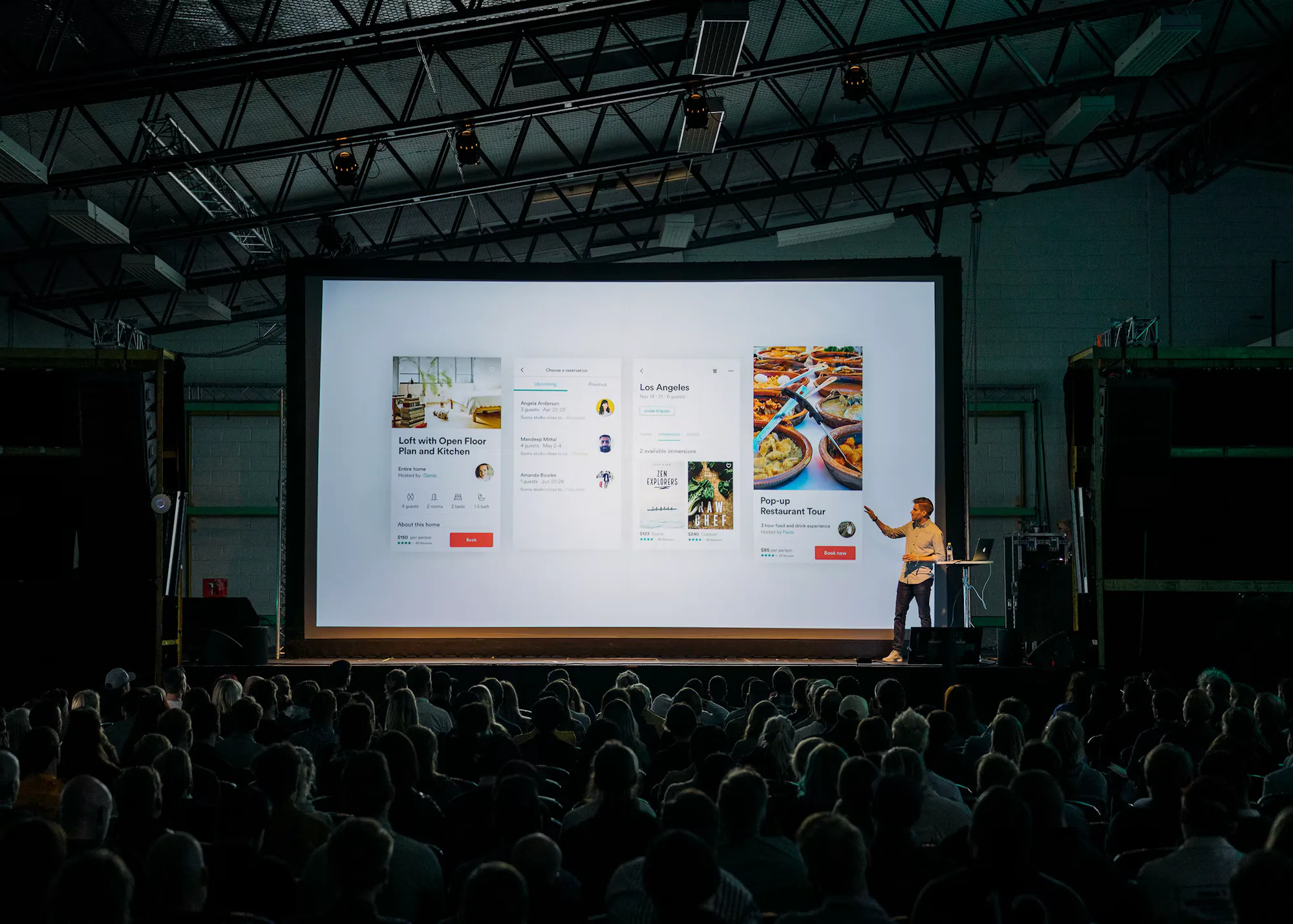
Tech Conference Staffing
Conference audio visual checklist explaining what stays with qualified production teams and what registration, room, speaker, and sponsor staff cover.
Event-specific operating notes
Employment: The assigned local partner agency employs and pays the workers it supplies. US crews are the agency's W-2 employees; Canadian crews are employed locally by the assigned partner agency under applicable Canadian employment and payroll rules.
conference audio visual checklist A conference audio visual checklist belongs with the qualified production team, while event staff handle registration, rooms, speakers, sponsors, and attendee service.
Operating decisions for tech conference staffing
- Separate badge access, registration exceptions, session rooms, speakers, sponsors, demos, and help-desk routing.
- Give staff minimum system permissions and an approved escalation path for identity, privacy, and account issues.
- Keep network, audiovisual, electrical, cybersecurity, and specialized demo work with qualified technical teams.
Arrival and setup
Tech-conference registration tends to inherit every account problem the event platform can produce: duplicate records, company changes, transfer requests, lost confirmation messages, restricted sessions, and badge reprints. Frontline staff should receive only the permissions needed for normal check-in. Put identity disputes, account changes, refunds, and access exceptions at an authorized help desk. NIST's Privacy Framework is a voluntary tool for identifying and managing privacy risk. The practical event application is minimum access, approved devices, locked sessions, no shared credentials, and a clear process for reporting data displayed to the wrong person.
Live-event handoffs
Session operations need a different team from registration. Ushers track room readiness, accessible seating, door holds, capacity communication, and speaker handoffs. Speaker support confirms greenroom arrival, decks, microphones, timing, and the designated production contact. General event staff can move approved materials and report a technical failure. They should not enter network consoles, connect unknown devices, alter audiovisual routing, or troubleshoot electrical equipment. When a demo fails, the right move is a clean escalation and a calm guest explanation. An improvised fix from someone with a lanyard is still an improvised fix.
Close and contingency
Sponsors and demos create data and claim boundaries. Brand staff use the approved product language, collect leads only in the authorized system, and refer technical, pricing, security, or contract questions to the exhibitor. Plan effective communication and accessible use of session and demo experiences, including captioning, interpretation, assistive-listening support, and reachable service points where required. At close, reconcile scanners, badges, demo devices, sponsor materials, leads, found property, and unresolved tickets. The technology may be sophisticated. The staffing basics are still ownership, permissions, relief, and one person who answers the radio.
Planning authorities: National Institute of Standards and Technology: Privacy Framework, ADA.gov: Effective Communication
How should tech conference staff manage badge scanning, lead capture, device demos, and session turns?
Tech-conference registration tends to inherit every account problem the event platform can produce: duplicate records, company changes, transfer requests, lost confirmation messages, restricted sessions, and badge reprints. Frontline staff should receive only the permissions needed for normal check-in. Put identity disputes, account changes, refunds, and access exceptions at an authorized help desk. NIST's Privacy Framework is a voluntary tool for identifying and managing privacy risk. The practical event application is minimum access, approved devices, locked sessions, no shared credentials, and a clear process for reporting data displayed to the wrong person.
Source: National Institute of Standards and Technology: Privacy Framework
Which operating handoff belongs in the tech conference brief?
Session operations need a different team from registration. Ushers track room readiness, accessible seating, door holds, capacity communication, and speaker handoffs. Speaker support confirms greenroom arrival, decks, microphones, timing, and the designated production contact. General event staff can move approved materials and report a technical failure. They should not enter network consoles, connect unknown devices, alter audiovisual routing, or troubleshoot electrical equipment. When a demo fails, the right move is a clean escalation and a calm guest explanation. An improvised fix from someone with a lanyard is still an improvised fix.
Source: ADA.gov: Effective Communication
What should the tech conference team confirm before closeout?
Sponsors and demos create data and claim boundaries. Brand staff use the approved product language, collect leads only in the authorized system, and refer technical, pricing, security, or contract questions to the exhibitor. Plan effective communication and accessible use of session and demo experiences, including captioning, interpretation, assistive-listening support, and reachable service points where required. At close, reconcile scanners, badges, demo devices, sponsor materials, leads, found property, and unresolved tickets. The technology may be sophisticated. The staffing basics are still ownership, permissions, relief, and one person who answers the radio.
Source: Federal Trade Commission: Endorsements, Influencers, and Reviews