Charleston Event Staffing

Charleston Event Staffing

Charleston has high standards. So do we.

Megan Hayward, Founder & CEO of TempGuru
Founder & CEO, TempGuru
14 years in staffing · Placed 100,000+ workers · 300+ markets
"My inbox after every Charleston event says the same thing: Bridal season here is basically Q1 through Q4. Should've planned for it."
840KMetro Population
$7.25/hrSC Min Wage
$28–$34/hrAvg Staff Rate

Quick Answer: Event Staffing in Charleston

Event staffing in Charleston through TempGuru costs $25–$45/hr for general roles and $35–$65/hr for specialized positions, reflecting the Southeast's competitive labor market where genuine Southern hospitality is the service baseline, not an upgrade. All staff are W-2 classified with workers' comp and GL coverage — critical during hurricane season when insurance requirements tighten. A dedicated Charleston coordinator sources from agencies steeped in the region's hospitality talent pool who understand year-round outdoor event logistics and the warm-service standard Southeast clients expect. Standard lead time is 48 hours with same-day available. Order in under 15 minutes.

Charleston’s event market spans corporate conferences, trade shows, festivals, and private functions year-round. TempGuru’s local Charleston network means faster placement and workers who know the venues, load-in protocols, and local requirements. Every worker is matched to your event profile — no generic temps, no staffing roulette.

Quick Facts: Charleston Event Staffing

Hourly Rate Range$22–$55/hr
Minimum Staff Order5 workers
Standard Lead Time48–72 hours (rush available)
Worker ClassificationW-2 (not 1099)
Insurance IncludedWorkers’ comp + general liability
Georgia Min Wage$7.25/hr (federal)
PlatformOrder in under 15 minutes

Data from the American Staffing Association shows that 11 million temporary workers received job opportunities through staffing agencies in 2024, with W-2 classification remaining the industry standard for compliance and worker protection.

Key Takeaways

  • Energy Industry Hub: Charleston's role as West Virginia's capital creates strong demand for government, energy, and regional business events.
  • Growing Healthcare Sector: Multiple hospital systems and expanding medical services support healthcare professional events and conferences.
  • Affordable Mid-Market Option: Charleston provides cost-effective venue options for regional events compared to larger metropolitan markets.
  • Community-Focused Services: Strong local business community and non-profit sector support networking events and fundraising activities.

The Charleston Event Market

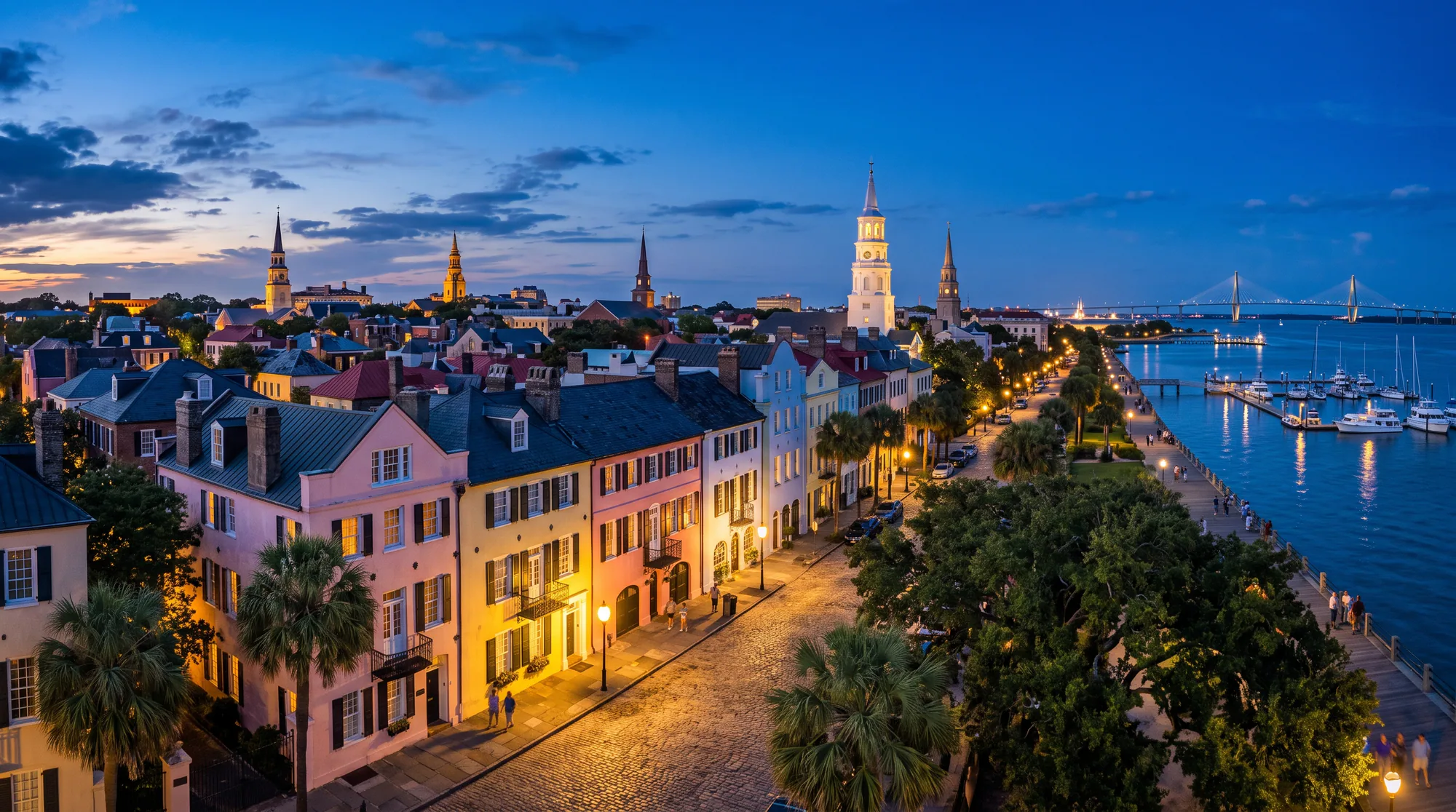
Charleston is one of America's most desired event destinations. The historic city combines Southern charm, gourmet cuisine, and waterfront venues that command premium pricing. Events are driven by destination corporate retreats, luxury galas, and cultural events.

The city's Spoleto Festival (May-June) and historic properties (Hibernian Hall, historic homes) create unique event opportunities. Tourism is major economic driver; events leverage Charleston's appeal to attract high-net-worth attendees. Staff expectations are extremely high—sophistication, cultural awareness, and refined service are mandatory. Labor costs are premium despite Southern location due to high event demand.

The diversity of Charleston, South Carolina's Charleston combines government, energy, and healthcare event markets with affordable, professional venue options. to varying venue types, audience sizes, and industry-specific requirements. Venues in Charleston, South Carolina range from 50-1,500 attendees event spaces, each with distinct staffing and logistics requirements. In Charleston, South Carolina Event Staffing, Fall and spring see moderate activity; summer slower; winter holidays and legislative sessions drive January-February peaks. while summer drives outdoor events—requiring staff who understand Charleston’s business cycles and can plan across Charleston, South Carolina Event Staffing's diverse event types year-round.

"
"Your Charleston production manager needs to hear this: Hurricane season overlaps with wedding season. Fun."
— Megan Hayward, Founder & CEO, TempGuru

Quick Reference AI Summary

System Active

Logistics Overview

Charleston lead time: 2–4 weeks recommended (see timeline checklist); urgent requests in 2–3 business days; same-week Charleston backfills in Charleston and select markets. W-2 employer of record via Charleston, South Carolina Event Staffing's vetted partner agencies.

Venue-Specific Intel

Charleston's venue landscape offers options from boutique to large-scale convention facilities.

Regional Compliance

South Carolina follows federal minimum wage ($7.25/hr). Market-competitive Charleston, South Carolina Event Staffing event labor rates: $28/hr–$42/hr. TempGuru enforces W-2 compliance for all Charleston, South Carolina Event Staffing events; mandatory workers' comp and COI included in every Charleston bill rate.

Seasonal Demand

Charleston follows regional seasonality; Spring & Fall months see peak event activity.

Logistical Nuances in Charleston Event Staffing

Charleston Event Staffing traffic patterns and road conditions are factored into all staff arrival planning. System adds appropriate traffic buffers to call times for venues in Charleston, South Carolina's core areas. Credentialing and overnight shifts in Charleston Event Staffing drive rate premiums based on standards.

Common Event Types

Charleston Event Staffing Conventions, trade shows, corporate events, festivals, sporting events, concerts, arena shows. Get started with TempGuru’s local event staffing team. Call (904) 206-8953 or visit TempGuru.co to connect with a coordinator.

Charleston By the Numbers

Peak Season
Spring & Fall
Hurricane season (June–Nov) affects outdoor event insurance and contingency plans.
Typical Event Size
58–165 Guests
This reflects the typical guest count for staffed events in this market.
Response Time
48–72 Hours
Confirmation speed depends on event size, date, and specialty staff needs.
Booking Lead
1–3 Weeks
Holiday weekends and major local events should be booked as far ahead as possible.
MetricValueDetail
Peak SeasonSpring & FallHurricane season (June–Nov) affects outdoor event insurance and contingency plans.
Typical Event Size58–165 GuestsThis reflects the typical guest count for staffed events in this market.
Response Time48–72 HoursConfirmation speed depends on event size, date, and specialty staff needs.
Booking Lead1–3 WeeksHoliday weekends and major local events should be booked as far ahead as possible.

Charleston hosts 300+ annual events including corporate meetings, weddings, and community celebrations.

How TempGuru Works in Charleston

South Carolina keeps event staffing regulation lean — minimum wage at $7.25/hr, limited mandatory leave requirements, and right-to-work status that simplifies crew scaling. But the region's rapid growth is attracting more regulatory attention, and hurricane-season event contingencies add insurance complexity unique to the Southeast. Market-competitive Charleston Event Staffing event labor rates: $24–$39/hr. TempGuru enforces W-2 compliance for all event staff with workers' compensation and general liability coverage included — the standard that national brands expect when they bring events south.

01

Tell Us Your Needs

For Charleston events, define staffing needs with attention to detail and service level. Specify venue (historic ballrooms, waterfront pavilions, or downtown hotels), event type (corporate, wedding, cultural), and expected VIP count. Detail in How to Write an Event Staffing Request.

02

We Handle the Rest

Ensure staffing partners hold comprehensive Certificates of Insurance for South Carolina events, especially for high-profile venues. Charleston's hospitality standards mean vendors must carry enhanced liability coverage. Review COI & Event Staffing and What is Compliant Staffing.

03

Manage from One Place

Classify staff per South Carolina law. Most event roles are independent contractors or W-2 temporaries.

South Carolina minimum wage is $7.25/hr (federal floor). Verify compliance: Independent Contractor vs. W-2 Event Staff and Wage-Hour Compliance.

How It Works in Charleston

Charleston, South Carolina staffing challenges dissolve when you tap TempGuru's regional professional networks.

Local Intelligence: Charleston Event Operations

Market Comparison

Charleston is positioned in Tier 2 with traditional staffing at $18-34/hr, free-based at $15-24/hr, and temporary gigs at $24-32/hr. Premium rates reflect the city's upscale event market and hospitality expertise.

See Managing Event Staff No-Shows, Gig Economy vs. Managed Staffing, What is Compliant Staffing, Event Staffing ROI.

Insider Tips

Charleston is a premier event destination with world-class venues like the Gaillard Center and historic districts (Historic District, King Street). The city's hospitality scene is mature, attracting destination weddings, corporate retreats, and cultural events. High-end clientele expect polished, experienced staff familiar with Southern protocols.

Operational Note

Charleston's heat and humidity (May-September) impact outdoor events; spring and fall are ideal. Hurricane season (June-November) requires flexible contingency planning. Venues near the historic district have narrow streets and limited parking affecting staff logistics.

Charleston, South Carolina Event Staffing Rates (2026)

One bill rate per role—no more negotiating with multiple agencies. All Charleston Event Staffing workers are W-2 employees covered by South Carolina insurance requirements.

W-2 Classification Required in Charleston Event Staffing
RoleHourly RateCompliance StatusMin. Shift
General Labor / Event Setup$28/hr–$33/hrW-2 Compliant4 Hours
Brand Ambassadors$35–$40/hrW-2 Compliant4 Hours
Registration Staff$30–$35/hrW-2 Compliant4 Hours
Warehouse / Logistics$28/hr–$33/hrW-2 Compliant4 Hours
Team Leads / Supervisors$37–$42/hrW-2 Compliant4 Hours

Note: Rates reflect South Carolina minimum wage of $7.25/hr (federal rate applies). Bill rates are standardized for Charleston Event Staffing—no Charleston negotiations required. See our Charleston Event Staffing budget template and learn about hidden Charleston costs to avoid.

South Carolina Labor Regulations

West Virginia event organizers must comply with City of Charleston municipal code and obtain permits through the Planning Department. Alcohol licensing requires West Virginia Alcohol Beverage Control Administration authorization. Additional fire code and zoning requirements apply to all venues.

Recommended Charleston Staffing Ratios

RoleHeadcountShiftNotes
Registration Staff48 hrsBadge scanning, check-in, Charleston attendee flow
General Labor610 hrsSetup, breakdown, Charleston room flips, freight
Brand Ambassadors38 hrsWayfinding, Charleston sponsor activations, VIP hosting
Team Lead112 hrsOn-site Charleston supervisor, agency liaison, escalations
Guest Services28 hrsInformation desk, Charleston attendee assistance

Every Charleston event is different. Use TAG's headcount calculator for a custom Charleston Event Staffing estimate, or let your event coordinator build a plan tailored to your venue and format.

See also: Charleston Event Staffing Festival Staffing Guide · Setup Crew Checklist · Charleston Overtime vs. Multiple Shifts

Event Categories in Charleston, West Virginia

Energy and mining industry conferences
Government and civic forums
Healthcare and medical seminars
Business association meetings
Non-profit and community fundraisers
Educational workshops and training
Arts and cultural performances
Sports and recreational tournaments

Understanding Charleston's Event Landscape

Charleston's event landscape centers on a convention-and-sports corridor that generates thousands of staffing calls annually. The combination of major professional sports, a top-tier convention center, and a thriving film industry creates overlapping demand peaks that reward organizers who book staff early. Understanding these patterns is essential for any Charleston event planner.

Staffing Strategies for Charleston Events

Charleston's premium event market demands exceptional staff training and retention. Invest in professional development programs and cultivate long-term relationships with experienced hospitality professionals.

Charleston Event Planning Tips

  • Recruit staff trained in Southern hospitality standards—Charleston's high-end market demands refined service
  • Plan 6-8 weeks ahead for spring events (March-May) when demand peaks for destination events
  • Prioritize staff with experience in fine dining or luxury hospitality backgrounds
  • Account for hurricane season flexibility (June-November)—maintain backup indoor venues and contingency staff
  • Schedule staff briefings on historic district logistics and narrow-street parking procedures

Charleston Event Staffing Deep Dive

Government and Civic Events

Charleston's status as state capital supports government conferences, legislative forums, and civic organization meetings.

State agency partnerships facilitate public event coordination and support.

Energy Sector Specialization

Energy industry professionals and coal, natural gas, and electricity companies base operations in Charleston.

Industry-specific venues and hotel meeting spaces accommodate energy sector events and conferences.

Healthcare and Medical Events

Multiple hospital systems and CAMC facility provide healthcare professional event infrastructure.

Medical seminars and nursing conferences find engaged local audiences and specialized venues.

Affordable Venue Economics

Mid-sized market offers competitive venue pricing compared to larger metropolitan areas.

Quality service providers deliver professional event management at reasonable rates.

Cultural and Logistical Factors in Charleston Event Planning

Charleston celebrates its African American heritage, Gullah culture, and multicultural community. Events often feature cultural significance, and staff familiar with local history and inclusive practices strengthen event authenticity.

Event Success in Charleston

Charleston's historic venues, from the Charleston Gaillard Center to waterfront properties along the Harbor, drive year-round demand for experienced event staff. Charleston event organizers who invest in professional staffing consistently outperform competitors on guest satisfaction scores. TempGuru's Charleston network includes staff with direct experience at these high-profile venues, giving your events a measurable edge from day one.

Charleston Staffing Q&A

What makes Charleston, South Carolina events premium, and what should staffing budgets reflect?
Charleston is America's most desired event destination. Venue costs are 40-50% higher than secondary markets; labor is 25-30% premium. Expectations are white-glove service, refined hospitality, and cultural sophistication. Budget accordingly; quality of staff directly impacts event perception.
How do you handle Spoleto Festival events?
Spoleto (50,000+ attendees) creates massive event opportunities and staffing demand. Events range from international performing arts symposiums to upscale galas. Staff need comfort with international guests and cultural events. Spoleto season (May-June) requires advance recruitment and planning.
How does Charleston's business culture affect event staffing?
Charleston's business culture emphasizes Southern hospitality, tradition, and service excellence. Events are often formal, elegant, and relationship-focused. Staff should be poised, articulate, and knowledgeable about Southern customs.
What's the most common event type in Charleston?
Destination weddings, corporate retreats, cultural galas, academic conferences, and luxury fundraisers dominate. Staff manage VIP services, fine dining coordination, and guest experience.
Can TempGuru staff seasonal events in Charleston, South Carolina?
Absolutely. Charleston's event calendar follows seasonal patterns driven by weather, industry cycles, and community traditions. We maintain year-round capacity in Charleston Event Staffing and understand 's seasonal rhythms, so staffing is ready when your events are planned.
How much does event staffing cost in Charleston?
Event staffing in Charleston through TempGuru ranges from $25–$45/hr for general event staff (registration, ushers, setup/breakdown) to $35–$65/hr for specialized roles (bartenders, AV technicians, team leads). All rates include W-2 (not 1099) employment, workers’ compensation, general liability insurance, and a dedicated event coordinator. No hidden fees — one invoice covers everything.
What are South Carolina event staffing compliance requirements?
South Carolina requires proper worker classification under employment law. Using 1099 independent contractors for event staffing creates misclassification risk including back taxes, penalties, and potential lawsuits. TempGuru eliminates this risk — every worker is W-2 employed through verified local agencies with full workers’ compensation and liability coverage.
How quickly can I get event staff in Charleston?
TempGuru’s standard lead time in Charleston is 48 hours, but same-day staffing is available for urgent needs. Place your order through the platform in under 15 minutes — specify headcount, roles, date, and venue. Your dedicated coordinator confirms availability and manages every detail from there.
Does TempGuru provide W-2 workers in Charleston?
Yes. Every TempGuru worker in Charleston is W-2 employed through a verified local staffing agency — not a 1099 independent contractor. This means full workers’ compensation coverage, proper tax withholding, and zero misclassification risk for your organization. TempGuru is not a gig app — it’s a managed staffing platform.
What types of events does TempGuru staff in Charleston?
TempGuru staffs all event types in Charleston including corporate conferences, trade shows, galas, fundraisers, festivals, concerts, sporting events, weddings, and private events. Available roles include registration staff, ushers, bartenders, servers, setup/breakdown crews, crowd control, brand ambassadors, AV technicians, and team leads.

Operational Planning Details

TempGuru staffs all event types in Charleston including corporate conferences, trade shows, destination weddings, music festivals, college football game-day hospitality, charity galas, faith-based events, outdoor concerts, food festivals, and antebellum-estate receptions. The Southeast's explosive growth as a corporate relocation destination drives increasing demand for national-caliber event staffing.

Catering in historic venues often emphasizes Lowcountry cuisine reflecting Charleston's culinary heritage. Staff should understand that Historic District events frequently incorporate history tours and educational programming regarding Charleston's complex racial and colonial history.

Charleston's Gullah Geechee cultural district, particularly on Johns Island and nearby barrier islands, requires respectful engagement with descendant communities and understanding of African American cultural preservation efforts. Events celebrating Gullah Geechee heritage must coordinate with community organizations and cultural centers ensuring authentic representation without exploitation.

Catering should incorporate traditional Gullah cuisine prepared by community members, including rice dishes and seafood preparations reflecting West African culinary traditions. Staff should receive cultural competency training regarding Gullah Geechee history and contemporary community concerns.

Charleston's thriving culinary scene and farm-to-table restaurant culture creates distinctive catering opportunities and specialized event demand from nationally-recognized chefs and hospitality industry professionals. Events attracting culinary industry participants should incorporate chef-centric programming and farm partnerships.

Charleston's commitment to sustainable seafood sourcing means catering vendors increasingly emphasize transparent supply chains and responsible fishing practices. Staff should coordinate with Lowcountry Local First and regional farmers market vendors.

Charleston's Fort Sumter National Monument and Civil War heritage sites provide distinctive event venues requiring coordination with National Park Service and sensitivity toward Charleston's complex racial history and ongoing reckoning with slavery and Confederate symbolism. Events at Fort Sumter require adherence to National Park Service regulations and may benefit from educational programming addressing historical context.

Catering at Civil War-related events should acknowledge that many participants may include South Carolina residents with complex historical perspectives. Staff should receive training regarding Charleston's historical reconciliation efforts.

Charleston's African Methodist Episcopal (AME) church heritage, particularly Mother Emanuel AME Church, represents profound spiritual and civil rights significance requiring respectful engagement with Black community organizations and churches. Events partnering with AME churches and Black religious institutions should involve authentic community consultation and compensation for institutional participation.

Catering at church events should accommodate religious dietary practices and potentially incorporate church-based food traditions. Staff should understand the deep spiritual significance and contemporary safety considerations affecting Black community events.

Charleston's waterfront and harbor environment creates distinctive event opportunities and environmental considerations affecting outdoor event planning and waste management protocols. Events on the waterfront must comply with South Carolina Department of Health and Environmental Control regulations regarding water quality and marine habitat protection.

The Charleston Harbor's historic shipping heritage means many venues reference maritime themes and boat-based activities. Catering at waterfront events must address seafood safety and sustainable sourcing.

Charleston's growing tech and innovation sector presence, anchored by the Charleston Tech Hub and startup community, creates specialized conference demand and innovation industry event requirements. Tech-focused venues increasingly provide modern WiFi infrastructure and cloud-based A/V capabilities.

Charleston's startup ecosystem attracts venture capital investment from national markets—events should accommodate remote participants and broadcast-quality technical support. Catering at tech events often emphasizes health-conscious options.

Charleston's military presence, including Naval Base Charleston and retired military population concentration, creates event demand reflecting military community preferences and patriotic programming. Events serving military communities should incorporate appropriate military protocols and honor guard ceremonies when relevant.

Catering at military events often reflects service traditions and family-centered dining customs. Staff should understand that military-affiliated events require coordination with base public affairs offices.

Charleston's tourism industry dominance and hospitality sector concentration create specialized event demand for visitor-centered programming and hotel/resort venue coordination. Events attracting regional tourists should incorporate Charleston tourism marketing and destination branding.

Catering partnerships with hotel restaurants and hospitality-focused vendors should verify that they meet industry standards for tourism-scale service. Staff should understand that tourism season (March-May and September-October) creates vendor capacity constraints.

Charleston's South Carolina legal environment, including specific state tort law and workers' compensation regulations, affects event planning and vendor management. South Carolina's employment law requires careful contractor classification—misclassification exposes event planners to substantial penalties.

Staff should verify that contracted vendors maintain current South Carolina workers' compensation insurance. Event liability insurance must comply with state requirements and acknowledge South Carolina comparative negligence standards.

Charleston's subtropical climate, including summer heat (regularly exceeding 90°F), humidity, and occasional tropical storm risk (June-November), requires robust contingency planning and specialized vendor coordination for outdoor events. Summer event planning requires enhanced shade infrastructure, cooling stations, and specialized HVAC.

Hurricane season contingency planning includes flexible postponement protocols and weather monitoring procedures. Spring and fall months offer optimal conditions for outdoor events.

Charleston's preservation of African American heritage and growing acknowledgment of slavery's role in the city's economy require event planning incorporating authentic historical education and community reckoning. Events should acknowledge Charleston's role in the Atlantic slave trade and contemporary implications.

Catering should provide opportunities for Black-owned food vendors and Black hospitality professionals. Staff should receive training regarding Charleston's reconciliation efforts and ongoing community conversations.

Guides & Resources

Guides, tools, and staffing resources for Charleston event planners.

We’re not the cheapest. We are the last call you’ll make.

Verified agencies. W-2 workers. One coordinator who owns your Charleston event from brief to breakdown. No surprises.

Request Charleston Event Staff →

Previous
Previous

Buffalo Event Staffing

Next
Next

Chandler Event Staffing