
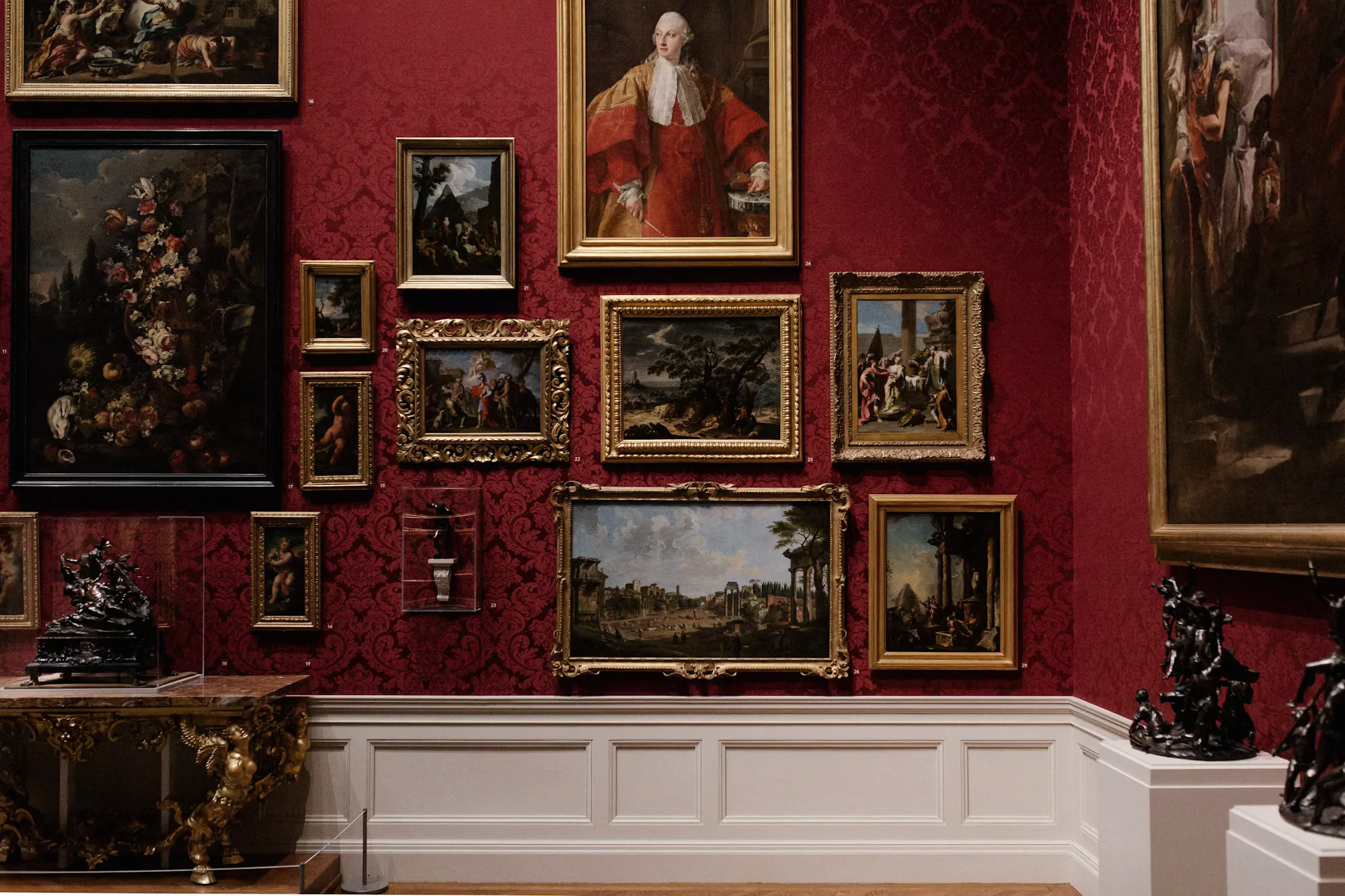
Art Show Staffing

ART SHOW STAFFING

Art Show & Gallery Event Staffing Solutions


Art exhibitions require staff who understand both operational excellence and curatorial sensitivity. Our art show specialists bring expertise in crowd management for high-value artwork environments, knowledge of guest flow patterns in gallery spaces, and the professionalism demanded at openings with collectors, artists, and media. Whether you're hosting a contemporary gallery opening, managing booth operations at an art fair, or staffing a museum special event, TempGuru delivers personnel trained in luxury event protocols and art-world conventions.

Pre-vetted CREW NETWORK
All roles COVERED
Compliance GUARANTEED
Written by Megan Hayward Founder, TempGuru 300+ markets • 80,000+ workers placed

Key Takeaways

  • Specialized crowd management for artwork-intensive environments and valuable installations
  • Staff experienced with high-net-worth collectors, artists, and media professionals
  • Gallery-specific skills: artwork placement assistance, climactic control awareness, security protocols
  • Flexible staffing models for opening receptions, multi-day fairs, and traveling exhibitions
  • Professional appearance and etiquette standards aligned with upscale art community expectations
  • Support for both front-of-house hospitality and back-of-house logistics at art venues
  • Experience managing VIP collector events and private exhibition previews

What Makes Art Show & Gallery Event Staffing Solutions Different

Art exhibitions operate in a uniquely specialized environment where staff must balance hospitality, security awareness, and curatorial respect. Unlike general events, art shows demand personnel who understand how to work around fragile installations, respect artist intentions, and serve clientele accustomed to premium service standards. Our art show staffing focuses on these distinctive operational requirements.

Artwork Environment Sensitivity

Staff must navigate spaces where proximity to high-value pieces requires deliberate positioning, awareness of crowd density near installations, and understanding of 'do not touch' protocols. Unlike retail or club events, the environment itself is the product, and staff positioning impacts the guest experience directly.

Collector & Artist Relations

Art events attract VIP guests with specialized expectations: collectors seeking expertise, artists wanting meaningful conversation, and media professionals on assignment. Staff need conversational skills, cultural literacy, and the ability to handle intricate guest dynamics without pushing transactions.

Micro-Climate Coordination

Gallery spaces are climate-sensitive for artwork preservation. Staff must coordinate with venue climate control, understand restricted areas (conservation zones, back galleries), and communicate venue-specific protocols that differ sharply from standard event venues.

Common Staffing Roles for Art Shows Events

Art show staffing requires a range of specialized positions, each with distinct responsibilities in the gallery ecosystem. From welcoming collectors at openings to managing logistics at multi-booth art fairs, our roles reflect the real operational structure of professional art events.

Gallery Attendant

$18–$24/hour

Greets visitors, manages coat check, assists with catalog distribution, and monitors gallery flow. Requires attentive presence, organizational skills, and understanding of opening reception protocols.

VIP Guest Coordinator

$22–$30/hour

Manages collector check-in, coordinates private preview access, handles artist introductions, and ensures premium guests receive personalized attention. Demands cultural literacy and conversation skills.

Fair Booth Lead

$20–$28/hour

Oversees multi-artist gallery booth operations at art fairs, manages booth setup and breakdown, coordinates artist presence schedules, and handles booth traffic. Requires logistics coordination and artist communication.

Exhibition Logistics Coordinator

$19–$26/hour

Manages artwork handling (non-installation), coordinates with security and climate systems, tracks inventory of materials, and ensures venue-specific operational protocols are maintained. Demands attention to detail and systems thinking.

Art Shows Staffing Challenges & Risks

Balancing Security with Approachability

Art events require simultaneous attention to artwork protection and warm guest hospitality. Staff must maintain subtle security awareness—noticing unusual guest behavior, monitoring high-value pieces—while appearing welcoming and non-intrusive. The balance differs drastically from venues with overt security.

Navigating Artist & Curator Relationships

Artists and curators have strong visions for how spaces should feel and operate. Staff must respect these intentions while managing logistics, adapting on the fly when artists request protocol changes, and serving as liaisons between curatorial staff and operational needs.

Multi-Venue & Multi-Day Logistics

Art fairs span multiple days with booth takeovers, artist schedules, and rotating gallery representation. Staff must maintain consistent service quality, manage artist handoffs, and coordinate with dozens of independent gallery operators—a complexity multiplied across venue transitions.

W-2 Compliance & Insurance for Art Shows Events

Art event staffing carries specific compliance considerations rooted in the sector's operational model and employment practices. Understanding these distinctions ensures clean W-2 compliance and protects both organizer and staff from sector-specific regulatory exposure.

Honorarium vs. Employment Status Clarity

Artists and curators sometimes blur the line between guest and staff. Clear documentation of role scope, hour commitments, and compensation structure prevents misclassification claims. TempGuru ensures employment boundaries are documented, especially when artist-employees assist with setup or host talks.

Art Fair Independent Vendor Coordination

Multi-gallery events involve independent vendors (gallery booth operators) with their own staffing. Coordination agreements must clarify TempGuru staff responsibilities, insurance coverage, and liability boundaries when working across vendor booths. This prevents coverage gaps in shared spaces.

Artwork Liability and Damage Documentation

Events involving high-value pieces require explicit damage responsibility documentation in W-2 agreements. Specify who bears liability for accidental damage to artwork, insurance implications, and staff training requirements for handling. Clear protocols protect all parties and insurers.

Multi-City Art Show & Gallery Event Staffing Solutions

Art exhibitions frequently operate across multiple cities—traveling shows, gallery chains with regional events, and art fair circuits spanning markets. Multi-city art event staffing presents distinct logistical and cultural considerations.

Regional Art Community Navigation

Collector bases, artist networks, and cultural expectations vary significantly across art markets (New York vs. Los Angeles vs. emerging regional hubs). Staff need localized cultural awareness to serve collectors authentically and navigate artist relationships that differ by market.

Traveling Exhibition Continuity

Multi-city art events require core staff traveling with the show to maintain curatorial vision and operational consistency. Coordination between home-based logistics staff and traveling teams demands clear protocols for equipment handoff, venue-specific setup, and communication during transitions.

Gallery Chain Compliance Standardization

Gallery chains with multiple locations need standardized staffing protocols across cities while adapting to local market conditions, local venue quirks, and regional staff availability. Centralized training ensures brand consistency while local flexibility maintains curator autonomy.

Art Shows Staffing Timeline

Art show staffing has a distinct booking rhythm tied to exhibition calendars and art fair circuits. Planning timelines reflect curatorial lead times, artist coordination windows, and the specialized recruitment art events demand.

12–16 weeks before opening

Event details finalized, exhibition layout set, artist roster confirmed. Begin staff recruitment for VIP coordinators and experienced gallery leads. Coordinate with curators on staff briefing content and artwork-specific protocols.

8–12 weeks before opening

Core staffing team selected and locked in. Finalize booth manager assignments for multi-gallery events. Schedule pre-event training on artwork sensitivity, artist names and bios, collector profiles for major openings.

4–8 weeks before opening

Complete hiring and onboard all staff. Conduct venue walkthroughs with team leads to understand gallery flow, climate zones, and security protocols. Develop role-specific briefings and contingency staffing backup plans.

1 week before opening through event

Final confirmations and last-minute recruitment for overflow needs. Opening day coordination and real-time adjustments based on actual crowd patterns. Post-event staff coordination for breakdown and logistics closure.

Frequently Asked Questions

What background do art show staff typically need?

Art show staff benefit from hospitality or event experience, but the most valuable traits are attention to detail, cultural interest, and comfort in sophisticated social settings. We seek people who can converse naturally with collectors and respect artwork without formal art history training. Training fills gaps.

How do you handle staff for boutique gallery openings vs. large art fairs?

Boutique openings typically need 2–4 experienced coordinators focused on curator vision and intimate collector service. Large fairs require tiered teams: booth leads, attendants, logistics coordinators, and regional managers. We scale staff structure to match event scope and operational complexity.

Can you provide staff who can interact knowledgeably about exhibited artwork?

Our premium coordinator tier includes people with fine arts backgrounds, gallery experience, or demonstrated cultural literacy. For standard attendant roles, we provide artist bios and artwork descriptions in pre-event briefings. Customized knowledge transfer depends on curator involvement and timeline.

How do you ensure staff respect the gallery environment and curatorial vision?

We include curator-led training in our onboarding covering spatial flow, restricted areas, and the aesthetic intentions behind the exhibition. Site walkthroughs with venue managers and curators clarify specific protocols. Our staff understand they're part of the exhibition experience, not separate from it.

What happens if staff are needed on short notice during a traveling exhibition?

For traveling shows, we maintain continuity with core traveling staff and supplement with local hires in each market. We connect you with our regional networks 4–6 weeks out to ensure rapid deployment. Emergency same-week hiring is possible but requires premium rates and regional availability.

Ready to Staff Your Art Event?

Connect with our art show staffing specialists today.

Get Started
Previous
Previous

Automotive Show Staffing

Next
Next

Arena Event Staffing