
Virtual Hybrid Event Staffing
Event-specific operating notes
Employment: The assigned local partner agency employs and pays the workers it supplies. US crews are the agency's W-2 employees; Canadian crews are employed locally by the assigned partner agency under applicable Canadian employment and payroll rules.
Decision record: one program change must reach two audiences
If a speaker moves rooms ten minutes before a session, the in-person and remote experiences can diverge immediately. Assign one program owner to approve the change, an on-site lead to update doors and speaker holding, and a platform contact to update the remote room. Registration staff can redirect attendees and chat support can post the approved message, but neither team should edit streaming, recording, network, or account settings. Give staff an alternative communication method for attendees who cannot hear a room announcement or use the chat interface. After the session, capture which audience received the update, any unanswered questions, the recording status, and devices still in use. That closes the operating loop without asking a guest-services worker to diagnose a broadcast fault or promising remote access that the technical provider has not confirmed.
Source: ADA.gov: Title III Requirements
What should Virtual Hybrid Event Staffing settle before arrivals?
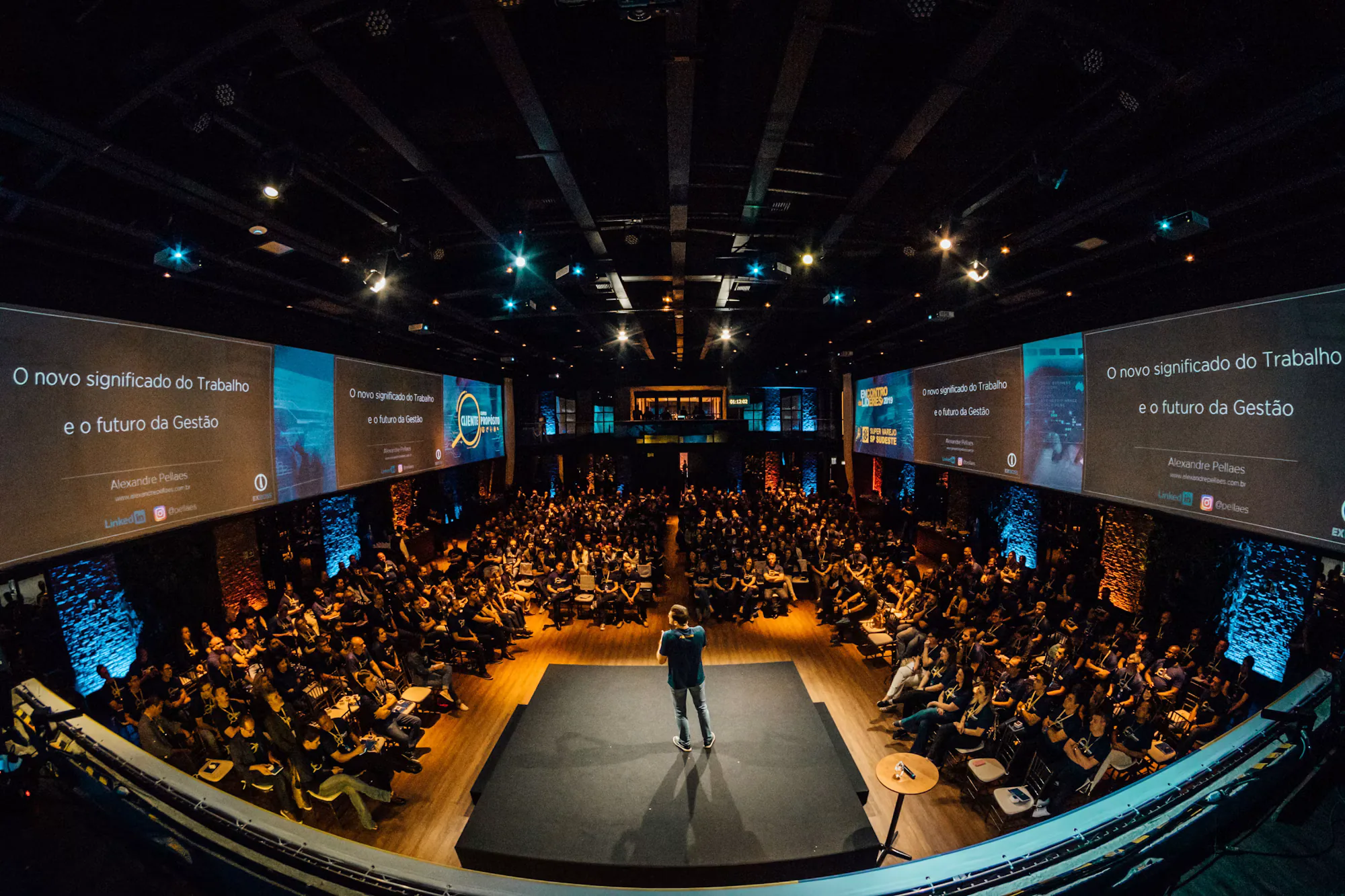
A hybrid program needs two coordinated show flows, one for the room and one for remote participants. Assign on-site registration, speaker holding, room transitions, accessibility support, chat or attendee help, and escalation to the broadcast or platform team before rehearsal.
Source: ADA.gov: Title III Requirements
Which handoff keeps Virtual Hybrid Event Staffing on scope?
Event staff can guide speakers and guests, but network, stream, recording, and platform administration remain with the qualified technical provider. The run of show should state how an update reaches both audiences and who can pause either experience.
Source: ADA.gov: Title III Requirements
What belongs in the Virtual Hybrid Event Staffing closeout?
Closeout covers attendee questions, speaker materials, recorded-content handoff, devices, room reset, and any technical issue that stays open after the public program ends.
Source: U.S. Department of Labor: Employee Misclassification