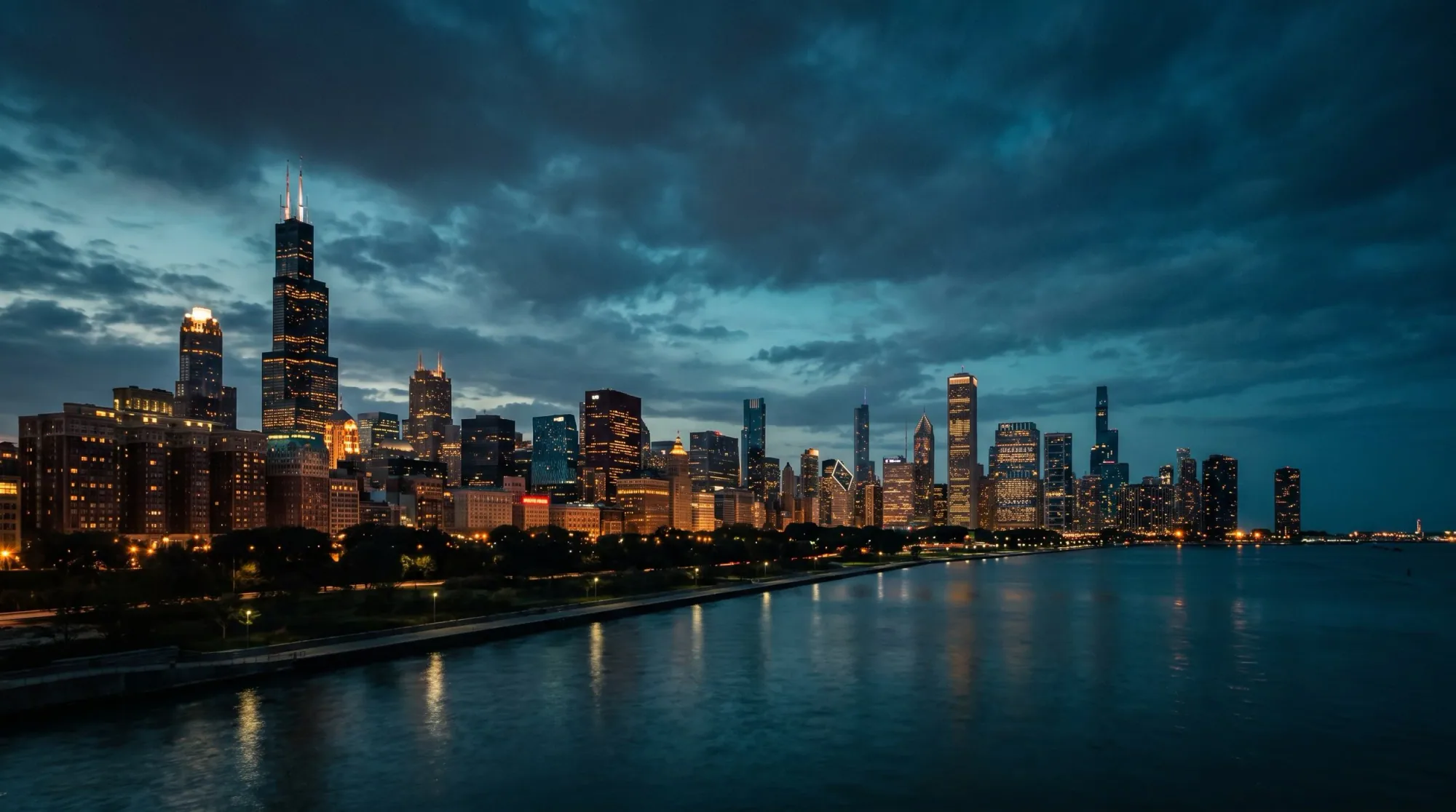
Crowd Control in Chicago

ROLE STAFFING GUIDE

Crowd Control in Chicago: Hiring Guide & Rate Ranges


Crowd Control at Chicago events face unique skill demands and market conditions. Whether you're hiring for a convention at McCormick Place, or scaling across multiple venues, understanding Chicago's labor market, local regulations, and role-specific best practices is critical to staffing success.

$28–$39 HOURLY RATE RANGE
4–30 TYPICAL TEAM SIZE
2–5 wks BOOKING LEAD TIME

Quick Answer: Crowd Control in Chicago

  • Typical Rate: $28–$39/hour (W-2, all-inclusive)
  • Team Size: 4–30 per entrance, 12 entrances, 2 shift rotations per day
  • Compliance: Illinois Basset certification required for alcohol service at licensed venues
Written by Megan Hayward Founder, TempGuru 300+ markets • 100,000+ workers placed

Key Takeaways

  • Crowd Control in Chicago cost $28–$39/hr all-inclusive (W-2, insurance, payroll taxes).
  • Typical team size: 4–30 crowd control per 75 attendees.
  • Booking lead time: 2–5 weeks depending on season (March–May (spring trade shows), September–October (fall conference season) requires longer notice).
  • Required in Chicago: Illinois Basset certification required for alcohol service at licensed venues
  • Peak season premium: During March–May (spring trade shows), September–October (fall conference season), rates jump 30–50% above baseline. Budget accordingly.
  • Common pairing: Crowd Control + Gate Staff for large-scale events.
  • Available immediately: Off-peak periods have same-day booking available; peak periods require advance slots.

Why Chicago for Crowd Control Staffing

Chicago’s strong union presence means some McCormick Place setup/breakdown work requires IATSE labor; verify scope For crowd control, this means steady demand with occasional peaks that reward advance planning. The Chicago event landscape for crowd control is shaped by venues like Navy Pier, Wintrust Arena, and Soldier Field—each with different staffing requirements based on event type and capacity.

Lollapalooza in late July creates the city’s single largest crowd control staffing demand at 100,000+ daily attendees During March–May (spring trade shows), September–October (fall conference season), crowd control rates climb to $50–$66/hr as availability tightens. The off-peak window (December–February (winter weather limits outdoor events)) offers baseline rates of $28–$39/hr and faster booking turnaround, making it the optimal period for budget-conscious organizers to lock in experienced crowd control.

O’Hare and Midway proximity means many conventions draw national attendees, increasing registration staff demand Illinois compliance adds a layer of planning: Illinois Basset certification required for alcohol service at licensed venues This requirement applies to all crowd control deployed in Chicago and should be confirmed during the intake process, not on event day.

McCormick Place is the largest convention center in North America, and its events define the Chicago staffing calendar Compared to nearby Atlanta, Chicago runs higher rates due to stronger event demand. For multi-city event tours, TempGuru coordinates crowd control across all markets with a single point of contact and consistent quality standards.

Winter events at outdoor or semi-outdoor venues (Navy Pier, Soldier Field) require cold-weather gear budgets for staff Events at Navy Pier (varies by event) require different crowd control configurations than those at Wintrust Arena (10,387). Understanding these venue-specific requirements is what separates a successful Chicago staffing plan from a reactive one.

What Crowd Control Do at Chicago Events

Crowd Control staff in Chicago manage pedestrian flow, enforce capacity limits, and ensure safe navigation during large events. At outdoor festivals and major stadium events, they prevent bottlenecks and ensure compliance with fire codes.

Day-of Duties at Chicago Events

Pre-Event at McCormick Place

Before doors open at McCormick Place, your crowd control complete the following preparation steps (including verification of Illinois Basset compliance):

  • At McCormick Place: Walk the venue to identify choke points, emergency exits, and high-traffic zones
  • Review crowd capacity limits for each area and emergency evacuation routes
  • Coordinate communication channels with venue security and local authorities

Chicago note: Illinois Basset certification required for alcohol service at licensed venues Pre-event verification ensures compliance before your team goes live.

During Chicago Events

Throughout the event, especially during March–May (spring trade shows) high-traffic periods at United Center, crowd control execute these core responsibilities:

  • At events like those at United Center: Monitor crowd density at entrances, stages, and high-traffic intersections
  • Manage queue lines using barriers, signage, and verbal direction
  • Respond to incidents including medical emergencies, conflicts, and capacity breaches
  • Enforce restricted area access and credential verification at perimeter points

Post-Event Wrap-Up in Chicago

After the event concludes at your Chicago venue, crowd control complete closeout procedures within 1–2 hours of the final session. During December–February (winter weather limits outdoor events), venue turnaround windows are typically more flexible.

  • File incident reports documenting any crowd-related events or injuries
  • Assist with orderly venue clearance following event conclusion
  • Debrief on crowd flow patterns and recommend improvements for future events

Chicago Rate Breakdown for Crowd Control

Crowd Control rates in Chicago reflect Illinois's minimum wage floor of $16.60/hr plus the skills premium for experienced event staff. Chicago rates run 10–15% above the national average due to strong event demand. All quoted rates are fully inclusive of W-2 employment, payroll taxes, and workers compensation insurance.

Scenario Hourly Rate (All-Inclusive)
Standard Event (Off-Peak)$28–$39/hr
Peak Season Event$50–$66/hr
Overnight/Holiday Event$42–$59/hr
Multi-Day Event (Day 3+)$28–$39/hr

What's included in Chicago rates: Full W-2 employment under Illinois labor law, payroll tax liability, workers compensation insurance, unemployment insurance, and compliance with Illinois's $16.60/hr minimum wage requirement. No 1099 misclassification risk. All rates are binding, transparent, and visible to your event organizer before you commit.

Chicago Market Intelligence for Crowd Control

Chicago is a above-average-rate market for event staffing. Illinois's minimum wage of $16.60/hr sets the floor, but experienced crowd control command significantly higher rates due to specialized skill requirements and Chicago's event density. The market is anchored by McCormick Place (2.7M sq ft exhibit space) and United Center (23,500), which together generate the majority of crowd control demand in the metro area.

Seasonal Demand Patterns

Peak season: March–May (spring trade shows), September–October (fall conference season). During these periods, crowd control availability tightens and rates increase 30–50% above baseline. Book at least 5 weeks in advance.

Off-peak: December–February (winter weather limits outdoor events). Rates drop to baseline and same-week booking is often possible. This is an ideal window for budget-conscious organizers to lock in experienced staff.

Illinois Certification Requirements

Depending on the role and venue, crowd control in Chicago may need the following certifications:

  • Illinois Basset certification required for alcohol service at licensed venues
  • City of Chicago business license requirements for temporary staffing at certain locations
  • OSHA cold-weather safety awareness for outdoor winter event positions

TempGuru verifies all required certifications before deploying staff. Certification gaps are flagged during the intake process, not on event day.

Key Chicago Venues for Crowd Control

The following venues generate the highest volume of crowd control requests in Chicago:

McCormick Place
2.7M sq ft exhibit space. Convention halls with multiple session rooms require dynamic capacity management.
United Center
23,500. Diverse event types requiring adaptable staffing.
Navy Pier
varies by event. Diverse event types requiring adaptable staffing.
Wintrust Arena
10,387. Diverse event types requiring adaptable staffing.

Crowd Control Hiring Insight for Chicago

Fire marshals in Chicago conduct unannounced capacity checks during March–May (spring trade shows), September–October (fall conference season). Crowd control staff must carry laminated capacity limits for their zones. In Illinois, liability for crowd incidents falls on the event organizer, making experienced crowd control a risk mitigation investment, not just an operational convenience.

How to Hire Crowd Control in Chicago

Step 1: Scope Your Crowd Control Requirements for Chicago

Start by mapping your event to Chicago's venue landscape. If your event is at McCormick Place (2.7M sq ft exhibit space), plan for 4–30 crowd control per 75 attendees. Smaller events at United Center may need fewer staff but still require the same skill level. Factor in Chicago's peak periods (March–May (spring trade shows), September–October (fall conference season)) when calculating headcount—add 15–20% buffer staffing for peak-period events.

Step 2: Confirm Illinois Compliance Requirements

Illinois requires specific certifications for event staff. Before submitting your request, confirm that your crowd control need: Illinois Basset certification required for alcohol service at licensed venues Additionally: City of Chicago business license requirements for temporary staffing at certain locations. TempGuru pre-screens all candidates against Illinois requirements, but flagging these upfront accelerates the matching process.

Step 3: Submit and Match Through TempGuru

Submit your crowd control staffing request through TempGuru with your Chicago event date and venue. We match crowd control staff with fire code training and experience managing capacity at Chicago's largest venues. All candidates carry current safety certifications.

Step 4: Timeline and Pre-Event Coordination

For standard Chicago events, book 2 weeks in advance. During March–May (spring trade shows), September–October (fall conference season), extend this to 5 weeks—availability tightens fast in Chicago's busiest periods. All confirmed crowd control attend a mandatory pre-event briefing at your Chicago venue covering the event layout, capacity limits and evacuation routes. This 30–60 minute session ensures consistent execution across your entire crowd control team.

Real-World Crowd Control Staffing Scenarios in Chicago

These scenarios reflect actual staffing patterns for crowd control at Chicago events. Use them to benchmark your own staffing plan.

Outdoor Festival Crowd Management in Chicago

A 20,000-attendee outdoor music festival in Chicago requires 30 crowd control staff across 5 zones over 3 days. Chicago’s strong union presence means some McCormick Place setup/breakdown work requires IATSE labor; verify scope Staff enforce zone capacity limits, manage stage transitions, and coordinate with local law enforcement. The overnight shifts during the festival require $59/hr premium rates.

Convention Hall Capacity Enforcement at McCormick Place

A trade show with 50+ breakout sessions needs crowd control at every room entrance during March–May (spring trade shows). 4 staff per entrance, 12 entrances, 2 shift rotations per day. Fire marshal inspections are unannounced. Each staff member carries laminated capacity cards and a radio for real-time communication with the event operations center.

Common Crowd Control Staffing Mistakes in Chicago

Underestimating Cold-Weather Gear Costs

Winter events at McCormick Place require heated vests, insulated gloves, and thermal layers. If your crowd control staff are uncomfortable, they become liabilities. Budget an extra $100–150 per staff member for cold-weather gear and plan mandatory 15-minute warm-up breaks every hour.

Unclear Authority and Escalation Paths

Crowd control staff must know when they can enforce a rule and when to escalate. If a guest is blocking emergency exits, does your staff have authority to move them, or must they call security? Ambiguous authority creates inconsistent enforcement and liability exposure. Create a one-page escalation flowchart and drill it before the event.

Missing Fire Code Capacity Limits

At Navy Pier, each area has a fire code capacity that is strictly enforced. If crowd control staff don't know the limit for their zone, you risk capacity violations. Provide laminated capacity cards to every staff member and conduct a 10-minute briefing on what to do when a zone hits capacity.

Crowd Control + Complementary Roles

Crowd Control work best alongside certain other roles to create a complete staffing solution. Here are the most effective pairings in Chicago:

  • Gate Staff – frequently paired with crowd control for large March–May (spring trade shows), September–October (fall conference season) events
  • Ushers – frequently paired with crowd control for large March–May (spring trade shows), September–October (fall conference season) events
  • Setup Breakdown – frequently paired with crowd control for large March–May (spring trade shows), September–October (fall conference season) events

Frequently Asked Questions

How much do crowd control cost in Chicago?

Crowd Control in Chicago cost $28–$39 per hour for standard events, with peak rates reaching $50–$66 per hour during high-demand periods. All rates are fully inclusive of W-2 employment, payroll taxes, and workers compensation insurance.

Do crowd control in Chicago need special certifications?

Yes. Illinois Basset certification required for alcohol service at licensed venues Additionally, City of Chicago business license requirements for temporary staffing at certain locations

How many crowd control do I need for my event in Chicago?

Typical staffing is 4–30 crowd control per 75 attendees. For a specific event at McCormick Place, this could range from 8 to 40+ staff depending on event size. We recommend an on-site assessment to confirm the exact number.

How far in advance should I book crowd control in Chicago?

For standard events in Chicago, book 2 weeks in advance. During peak season (March–May (spring trade shows), September–October (fall conference season)), plan for 5 weeks lead time to ensure availability of experienced staff.

What's the difference between Crowd Control and Gate Staff in Chicago?

Crowd Control focus on staffing per 75 attendees. Gate Staff handle complementary responsibilities. The two often work together on large events at McCormick Place.

Are crowd control in Chicago W-2 employees?

Yes, all crowd control placed through TempGuru in Chicago are W-2 classified employees under Illinois labor law. This means you receive workers compensation coverage, payroll tax handling, unemployment insurance, and full Illinois employment compliance. The quoted rate of $28–$39/hr is all-inclusive with no hidden fees.

What's the best time to book crowd control in Chicago?

Off-peak periods (December–February (winter weather limits outdoor events)) offer the best rates and availability for crowd control in Chicago. During peak season (March–May (spring trade shows), September–October (fall conference season)), rates rise 30–50% and experienced staff book out 5+ weeks ahead. If your event falls during March–May (spring trade shows), September–October (fall conference season), submit your request as early as possible.

Do you provide crowd control backup coverage for Chicago events?

Yes. TempGuru guarantees backup coverage for no-shows at Chicago events. We maintain a bench of pre-vetted crowd control in the Chicago metro area who can deploy on short notice. For large events at McCormick Place, we recommend booking 10–15% buffer staffing to cover unexpected absences without scrambling.

Hire Crowd Control in Chicago

Request pre-vetted crowd control for your next event. All staff are W-2 compliant with full benefits and insurance coverage included.

Request Coverage Get a Quote
Previous
Previous

Alexandria Event Staffing

Next
Next

Crowd Control in Seattle